Deities
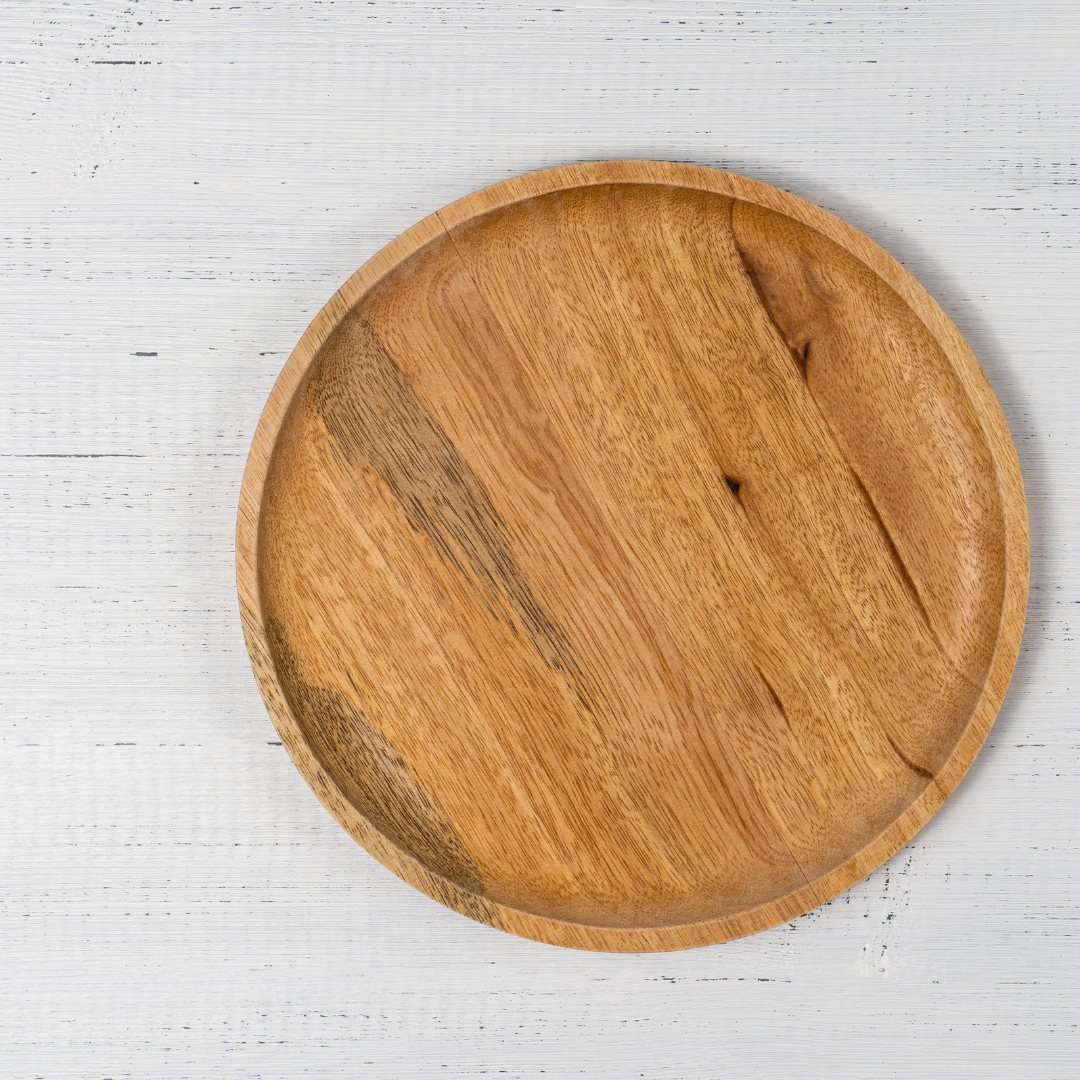
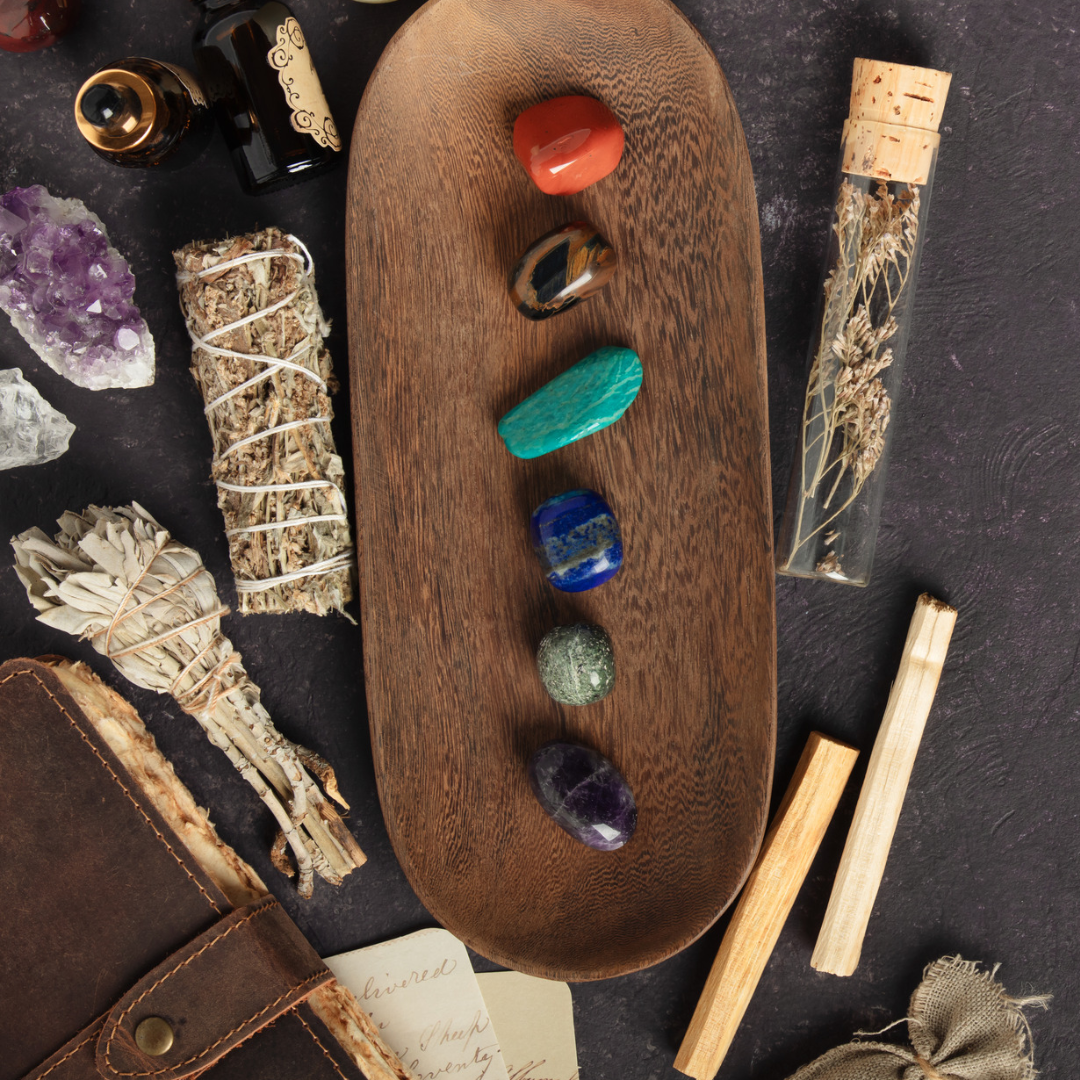
There’s a particular pleasure in working with wood. You can start with a rough piece, spend some time with it, and gradually find the shape that’s hidden underneath. I’m replacing the plate for my altar. I use one for most of my workings: candles, herbs, offerings, whatever I’m using that day. Much easier to lift the whole thing off and clean it than to take the altar apart to wash the altar cloth every time. Practical matters. Even in witchcraft.
I was running my thumb along the grain, checking while I was sanding it, thinking about the things we make room for in our lives. Some things are there because we need them. Others because they matter to us. And some take a while before we understand what place they have.
That’s not a bad way to approach the gods, I think. There’s a lot of talk about deities in witchcraft, but people mean different things when they talk about them.
Understanding the Divine
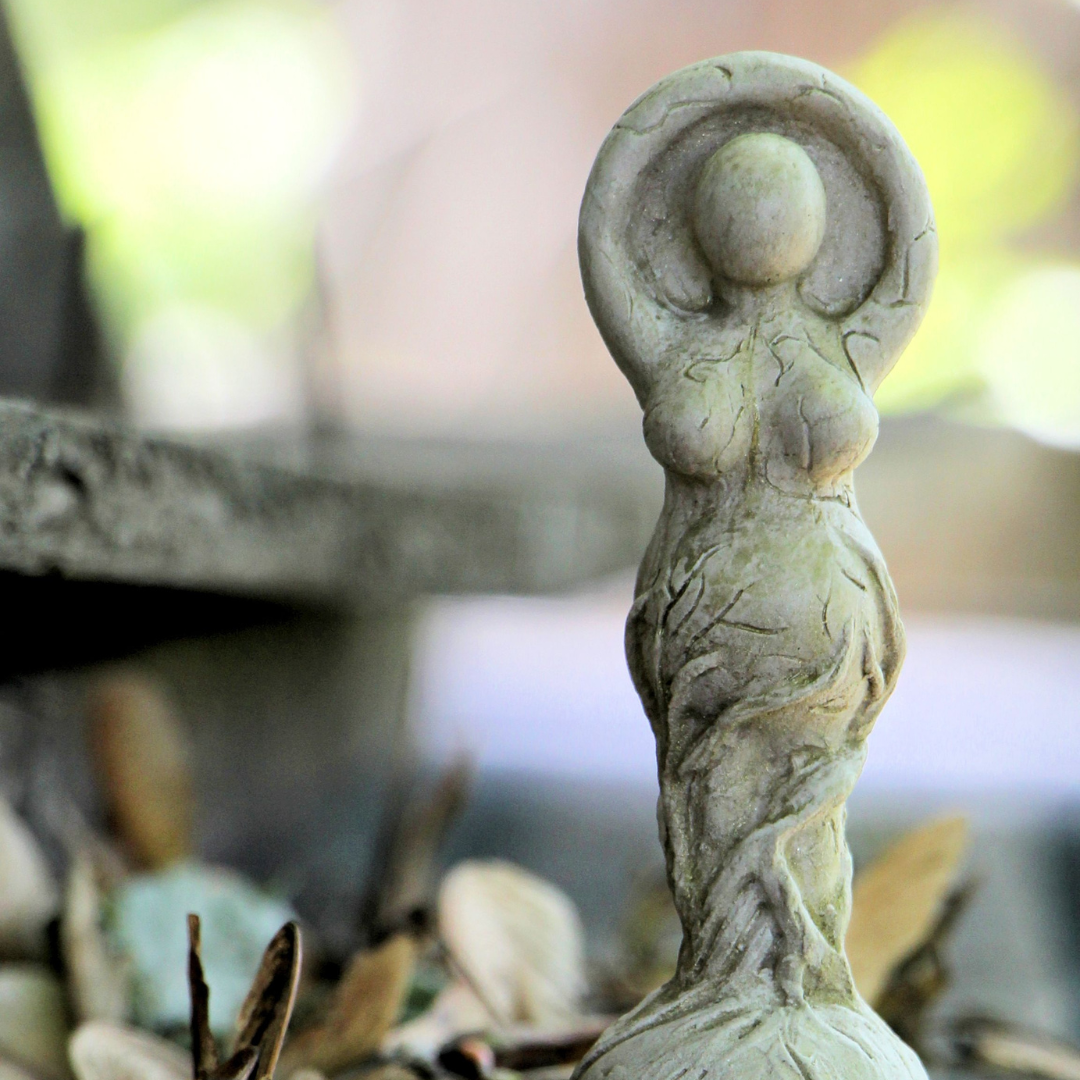
When we talk about deity in Wicca, we’re talking about how we understand the divine, and what that means for our practice. And there’s more than one way to look at it.
Some of us believe the God and Goddess are real beings we can get to know and build relationships with. Others work with gods from different pantheons, each with their own stories and traditions. Some see deities as archetypes or ways of understanding the forces around us: the wild, the harvest, love, wisdom, death, and renewal. And some see all those different faces as part of one greater whole.
There are witches who don’t believe in gods as beings at all. They might work with the stories and symbols, finding meaning in what a deity represents rather than expecting someone to answer when they speak.
That difference matters when it comes to practice. If I believe a deity is a being, I might leave an offering, say a prayer, or spend time getting to know them. If I work with an archetype, I might call on the qualities it represents when I need them. If I see the divine in nature, I might find it in the turning seasons, a garden coming back to life, or the first warmth of spring.
None of these approaches is a shortcut or a lesser version of the craft. They’re different ways of understanding and engaging with something bigger than ourselves. Knowing where you stand helps you make sense of what you’re doing, and why.
The God & Goddess
The God and Goddess are a big part of Wicca, but I sometimes get the impression that the God gets a little less attention in the telling. Plenty of books give the Goddess whole chapters, while the God gets a paragraph about antlers and the harvest. There’s more to him than that.
I see both of them in the turning of the seasons, in the life that grows and the life that returns to the earth. The Goddess is often connected with the moon, the earth, and the cycles of life. The God with the sun, the wild, and the changing seasons. Those associations are useful, but they’re not the whole story. Neither one fits neatly into a handful of symbols.
You’ll hear people describe them as partners, complementary forces, or two halves of a greater whole. Those ideas have their place, but I don’t think either should disappear into the other. The God isn’t just there to balance the Goddess, and the Goddess isn’t simply the other half of the God. They each have their own presence and their own place in my practice.
You might feel closer to one than the other. You might find that connection changes over time. That’s something you’ll discover for yourself. But I’d encourage you to give both a chance. There’s a lot worth knowing, and a lot worth finding, in each of them.
Why Work With Deities
So, what does working with deities actually bring to a practice?
For some people, it gives their spirituality a sense of connection. The gods aren’t just names in a book or figures in old stories; they’re presences they can turn to, learn from, and include in their daily lives. Prayer, ritual, and offerings become ways of acknowledging that connection.
There can be comfort in that. There can also be challenge. A deity’s stories or associations might make you look at your own choices differently. Their example might give you something to aspire to, or their presence might help you feel less alone when life gets difficult. Not every experience is dramatic. Sometimes it’s simply a familiar part of how you mark a season, celebrate a turning point, or make sense of the world around you.
For others, working with deities brings a different kind of focus to ritual. It gives a particular purpose or presence to the work, and a way to express gratitude, ask for guidance, or acknowledge forces they believe are at work in their lives.
But none of that is a requirement. You don’t need a patron deity, a daily devotional practice, or a relationship with any god or goddess to be a witch. Deity work is one way of approaching the craft, not a measure of how serious, experienced, or committed someone is.
If it has a place in your practice, it should be because it means something to you. Not because someone told you that a proper witch ought to have a god or goddess at their side.
Wait, How Do I Even Start?
Okay, so deities. Where do you even begin? Because I swear, you start looking up one name and suddenly you’re three mythologies deep, reading about a god you’ve never heard of, and wondering how you got here. 😂
I used to think there must be some obvious first step. Find a deity, feel a connection, say hello? But the more I learn, the less convinced I am that there’s one way this is supposed to happen.
Maybe there’s a story you love. Maybe a particular god or goddess keeps catching your attention. Maybe you’re fascinated by a whole mythology and haven’t got the faintest idea what, if anything, it has to do with your own spiritual practice. That’s okay! You can be interested without having to make it mean something straight away.
Actually, I think that’s something worth remembering. Learning about a deity, admiring them, feeling drawn to them, and wanting to build a relationship are all different experiences. They might overlap, or one might lead to another, but they don’t have to.
And you don’t have to rush to decide. I’m still working out what I think about all of this myself. Sometimes I read something and it opens up a whole new line of thought. Other times I finish an article with more questions than I started with. (Which is becoming a bit of a pattern, honestly.)
I guess I’m learning that I don’t need to have the whole thing mapped out before I take an interest. I can start by being curious. That’s a pretty good beginning.
Stay witchy. 🌙🪄
Building a Relationship
I think one of the easiest mistakes to make when you’re interested in working with a deity is feeling that you need to do something impressive to get started. We see beautiful photographs and videos, and it’s easy to come away thinking there’s a certain standard we’re supposed to meet. There isn’t.
If there’s a deity you’re interested in, I’d start by getting to know them. Read their stories, learn about their history and traditions, and look beyond the lists of correspondences you find online. Those can be useful starting points, but there’s more to a deity than a flower, a color, and a handful of crystals. Pay attention to where the stories come from, too. Gods are part of the cultures that have honored them, and that deserves respect.
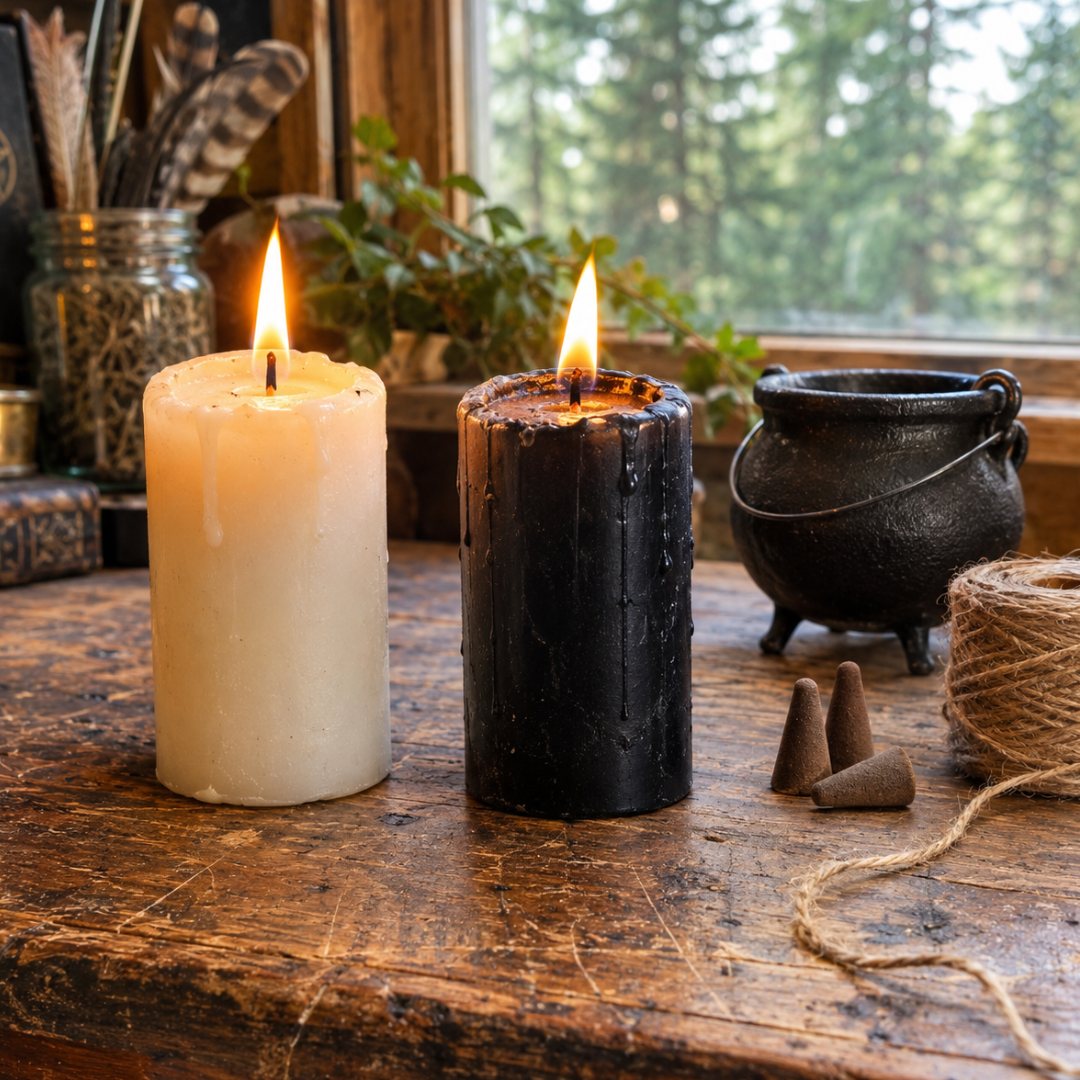
Curiosity isn’t a commitment. Learn, explore, and see what interests you. If you’d like to make an approach, it doesn’t need to be elaborate. A prayer, a few words of introduction, a candle, or a small offering can be a perfectly good beginning. You don’t need a special altar or expensive supplies. I’d put more thought into the sincerity of the gesture than how impressive it looks.
Then comes the part that takes a little longer: paying attention. Make time to learn and reflect, and notice what the relationship brings into your practice. If something feels like a response or a sign, don’t be too quick to decide what it means. Dreams, coincidences, and unexpected moments can be meaningful, but discernment matters. A little patience is worth more than trying to find a message in everything.
There’s no need to rush to give the relationship a name or decide where it will lead. Keep learning, show up when you can, and find ways to honor the connection that feel appropriate to you. Devotion doesn’t have to be grand, and a relationship isn’t built in a single ritual. Like most things worth doing, it takes time and a bit of care.
Devotion in the Everyday
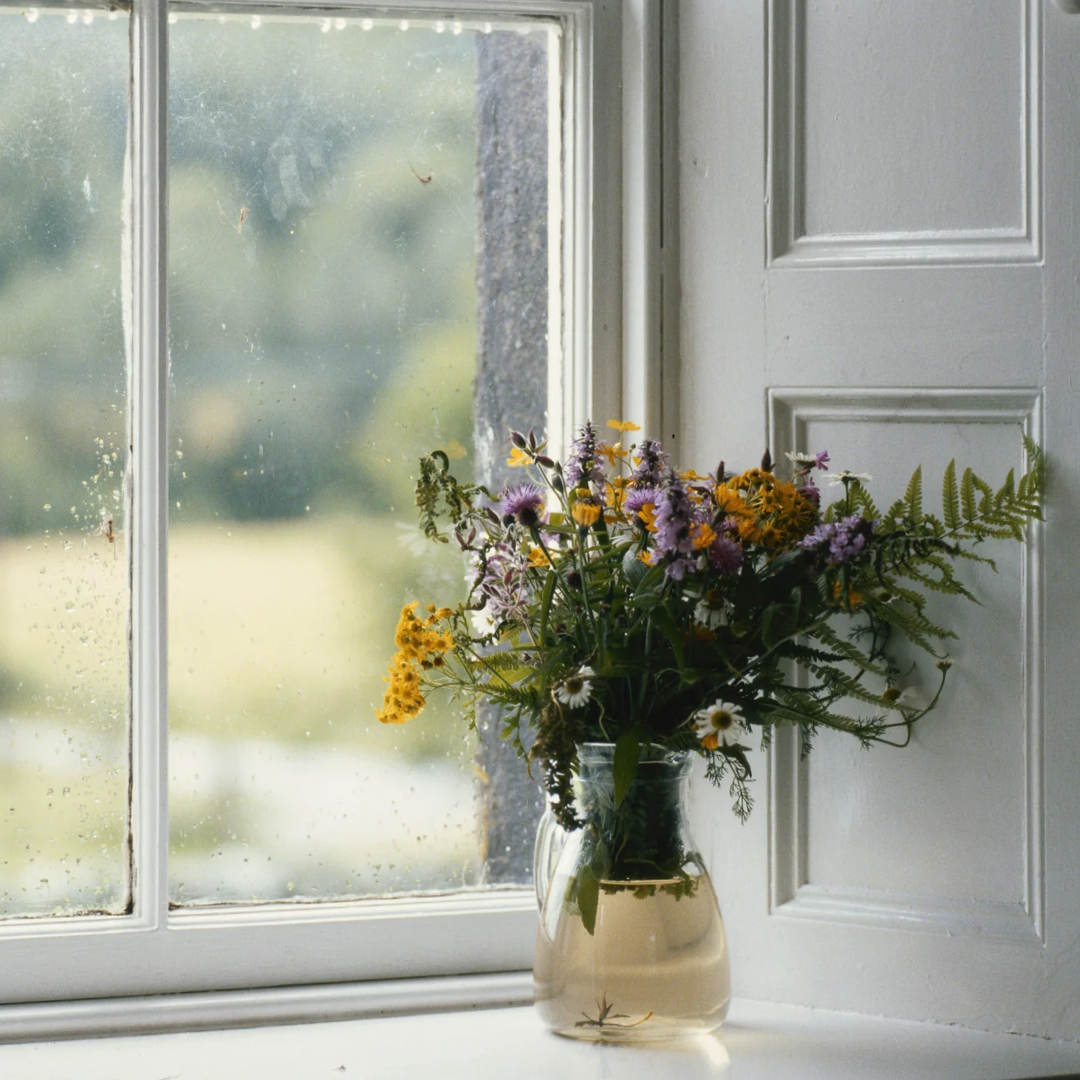
You know, one of the things I love about keeping an altar with fresh flowers is that they give me a reason to tend to it regularly. Changing the water takes all of two minutes. I rinse the vase, trim the stems, arrange the flowers again, and take a moment to appreciate the little bit of beauty they’ve brought into my home.
And somewhere along the way, that ordinary bit of housekeeping becomes an act of devotion.
I think we sometimes overlook things like that because we’re looking for something that feels more like an offering. We imagine special incense, expensive gifts, elaborate rituals, and all the things we see in beautifully photographed altars. There’s nothing wrong with any of those things, mind you. I love a lovely candle as much as anyone. But devotion doesn’t have to come with a shopping list.
Perhaps you tend a plant associated with a deity. Perhaps you keep a particular candle on your altar and light it when you want to spend a little time in their company. Maybe you make a point of keeping their space clean and welcoming. These aren’t grand gestures, but they are ways of showing care.
Think about the people you love. You don’t demonstrate that love by buying them something expensive every single day. You remember what matters to them. You make time. You pay attention. You show up.
I don’t see why our relationships with the gods should always be approached differently. Learn about the deities you honor, their traditions and associations, and the ways people have shown them devotion through the years. Then find ways to build that relationship into a practice that is meaningful to you.
For me, there’s something rather lovely about realizing that even a vase of flowers needs a little looking after. And sometimes, that’s exactly where devotion begins.
Finding Your Own Way
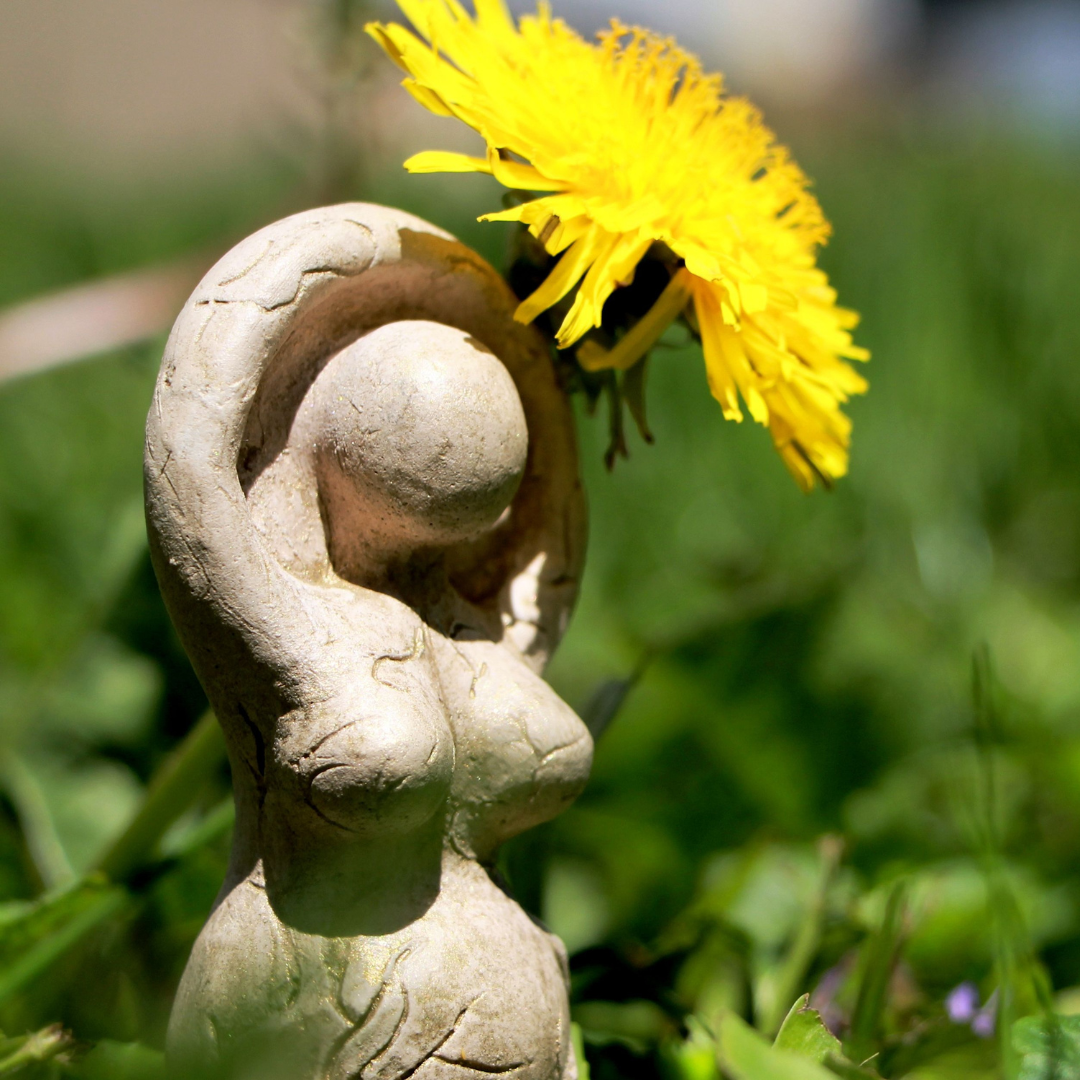
There’s no single point where you have to settle what you believe about the gods. You might begin with a strong belief in the God and Goddess, then find yourself drawn to other deities as you learn more. You might start out uncertain and gradually develop a sense of connection. Or you might spend years exploring without ever feeling the need to put a definite label on what you believe.
And relationships can change, too. A deity who once felt central to your practice might become less present. Another might come to mean more over time. You might find that your understanding of a god or goddess changes as you learn their stories, consider their history, or simply get older and see the world differently.
I wouldn’t treat that as failure or as some kind of broken promise. Belief isn’t a contract, and devotion shouldn’t mean pretending to feel something you don’t. There’s room to question, to reconsider, and to let things develop at their own pace.
You don’t have to borrow someone else’s beliefs to make your practice valid. Learn, listen, think about what makes sense to you, and be honest with yourself when something no longer does. The path is yours to walk. You get to decide what belongs on it.
I’ve oiled the plate, and left it to cure. Can’t rush some things, it’ll be ready when it’s ready. There’s still work ahead before it finds its place on the altar.
I suppose that’s not a bad way to approach a lot of things in this craft. We learn, we try, we make adjustments. Sometimes we think we’ve settled something, only to find there’s more to understand. That’s not failure; it’s part of the work.