Opening the Book
I remember when I first started trying to figure out witchcraft. I had questions. But they were vague, unformed things. I didn’t know enough yet to know what I wanted to ask.
The funny thing was, it wasn’t because there wasn’t enough information. There was *so much* information that I didn’t know what to do with it. One question led to five more. One book recommendation turned into another. A simple search somehow became late-night rabbit holes about history, traditions, or why everyone seemed to have a different meaning for amethyst. ✨
At first, I thought I was missing something. Was there a correct place to begin that everyone else had somehow found? Then I realized something: everyone is still learning. The more you explore witchcraft, the more questions you find, and honestly? I think that’s one of the best things about it. There’s always another idea to discover, another perspective to consider, another connection you hadn’t noticed before.
Witchcraft has a lot of paths, practices, and traditions. Some people begin with ritual. Some get completely absorbed in herbs, tarot, or history. Some fall down a mythology rabbit hole and somehow end up learning about traditions they didn’t even know existed. That’s part of the fun.
So, if you’re looking for a place to wander around and see what catches your attention, you’re in the right spot. Maybe you’re brand new. Maybe you’re coming back after some time away. Maybe you just have one very specific question that won’t leave you alone.
You don’t have to read everything. Pick something that makes you curious and start there.
Honestly, that’s pretty much how I got here in the first place. 📖🌿
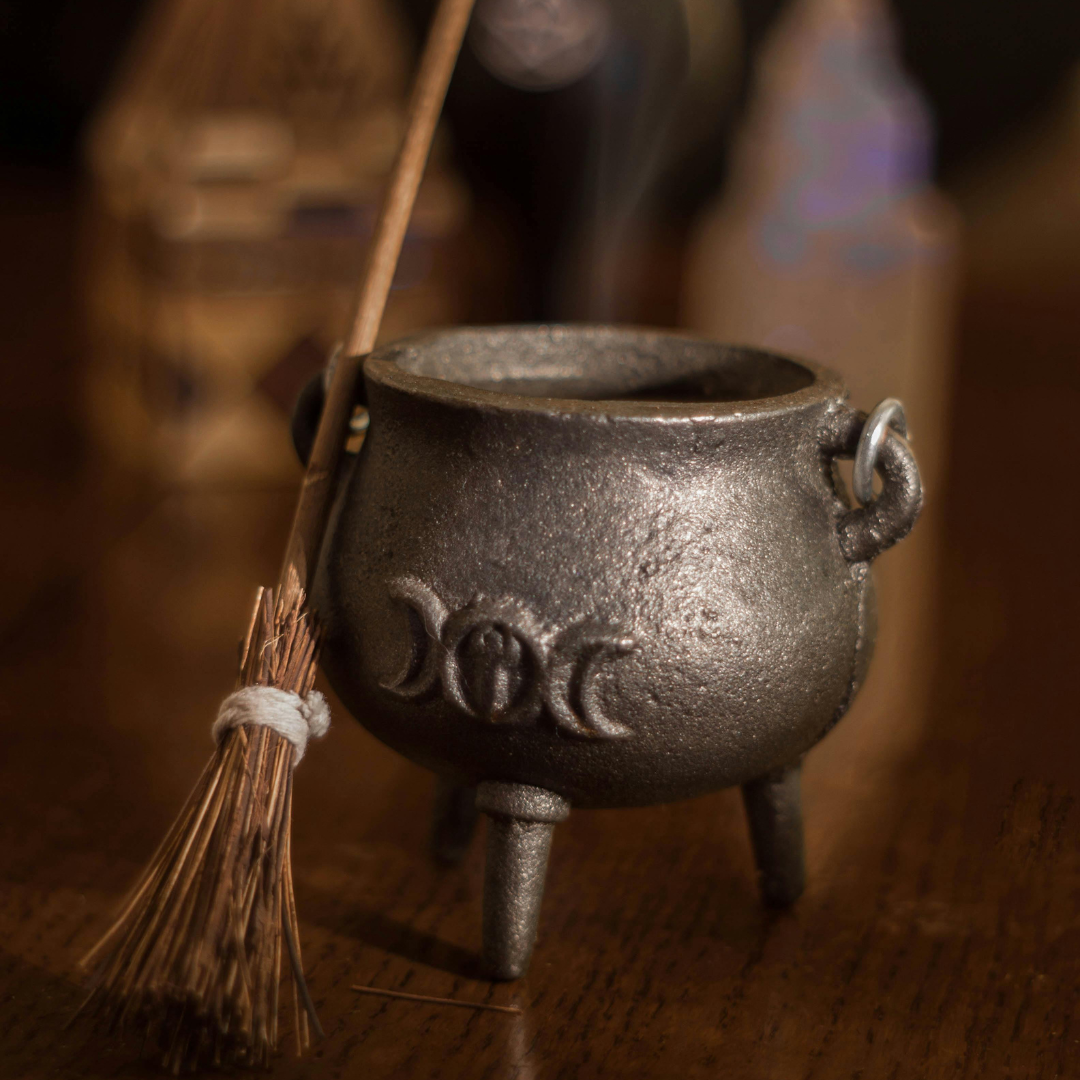
People often use these terms as though they mean the same thing, but they don’t. I remember wondering if I was supposed to figure this out before I could start exploring. Turns out, no.
Let’s untangle what these two words mean, where they overlap, and where they don’t.
Foundations
Once you have a little sense of the landscape, it helps to understand how some of it came to be.
You don’t need to know the entire history of witchcraft before you light your first candle. You don’t need to memorise every ethical question before you begin exploring. And you certainly don’t need to learn an entirely new vocabulary before you’re allowed to call yourself curious.
But context matters.
The more you understand where an idea came from, how people have used it, and what questions practitioners have wrestled with along the way, the easier it becomes to make thoughtful choices about what belongs in your own practice.
These guides give you some of that foundation.
Modern witchcraft didn’t appear overnight, and neither did Wicca. Their stories are shaped by folklore, revival movements, scholarship, personal experience, and no small amount of misunderstanding.
Looking at that history helps separate popular myths from what we actually know, while giving today’s practices some context. You may be surprised by how many things that seem ancient are considerably newer than they appear—and how much more interesting the real history can be.
Magic isn’t only about what we can do. It’s also about what we choose to do, how our actions affect other people, and what responsibility means within a spiritual practice.
Different traditions have wrestled with those questions in different ways. There isn’t a single answer that will settle every situation neatly, but understanding the conversations can help you think more carefully about your own choices.
You may come across the phrase “a year and a day” when you begin exploring witchcraft. In some traditions, it describes a period of study and practice before initiation. For solitary practitioners, it can simply be a useful way to give yourself time to learn and experience the turning of the seasons.
You don’t have to know everything in a year. The point is to give yourself time to practice, notice, question, and grow.
Every path has its own vocabulary.
If you come across a word you don’t recognize, look it up. Truly. Nobody begins already knowing the language, and needing to check a term is not evidence that everyone else received the secret handbook.
The glossary is here to make that part easier.
The Moon has been part of witchcraft for a very long time, but you don’t need to wait for the “right” phase to start paying attention. Learn what the phases are, what people associate with them, and how you might work with the Moon in your own practice.
Witchcraft can seem to come with a shopping list. Learn what tools, altars, sacred space, and circles are actually for—and what you really need to begin.
Witches use a lot of words that can sound mysterious when you’re new. Rede, creed, invocation, blessing, oath… what do they actually mean? Here’s a place to untangle some of the language we use and why those words matter.
Earth, Air, Fire, Water, and Spirit are more than a list of correspondences to memorize. Explore how different traditions work with the elements, and how you might notice them in the world around you.
Finding Your Way
So, what do you actually do with all of this? There isn’t one answer. Your practice might start with the Moon, a candle on your kitchen table, words that suddenly mean something different when you say them aloud, or simply paying attention to the world around you.
These are a few places to start looking. Take what catches your attention, leave what doesn’t, and let your practice take shape as you go. 🌿
Keep Exploring
Learning doesn’t happen in a straight line. There’s always another rabbit hole. Here are a few places you might wander next.