
So... how do I know if I'm doing this right?
I don’t think I’ve ever had someone ask me that exact question. Usually it comes out sideways.
Someone tells me they tried a ritual and didn’t feel anything. Or they’ve been reading for months and still don’t feel like a “real” witch. Or they look at somebody online with a beautiful altar, shelves full of books, and years of experience, then quietly ask if they’re behind.
It’s all the same question: “How do I know if I’m doing this right?”
I understand why people ask it. There are a lot of books, a lot of opinions, and no shortage of people online who seem absolutely certain they’ve found the One True Way to practice. It’s enough to make anybody wonder whether they missed a lesson somewhere. The funny thing is, after all these years, I don’t think the question ever really goes away.
It just changes.
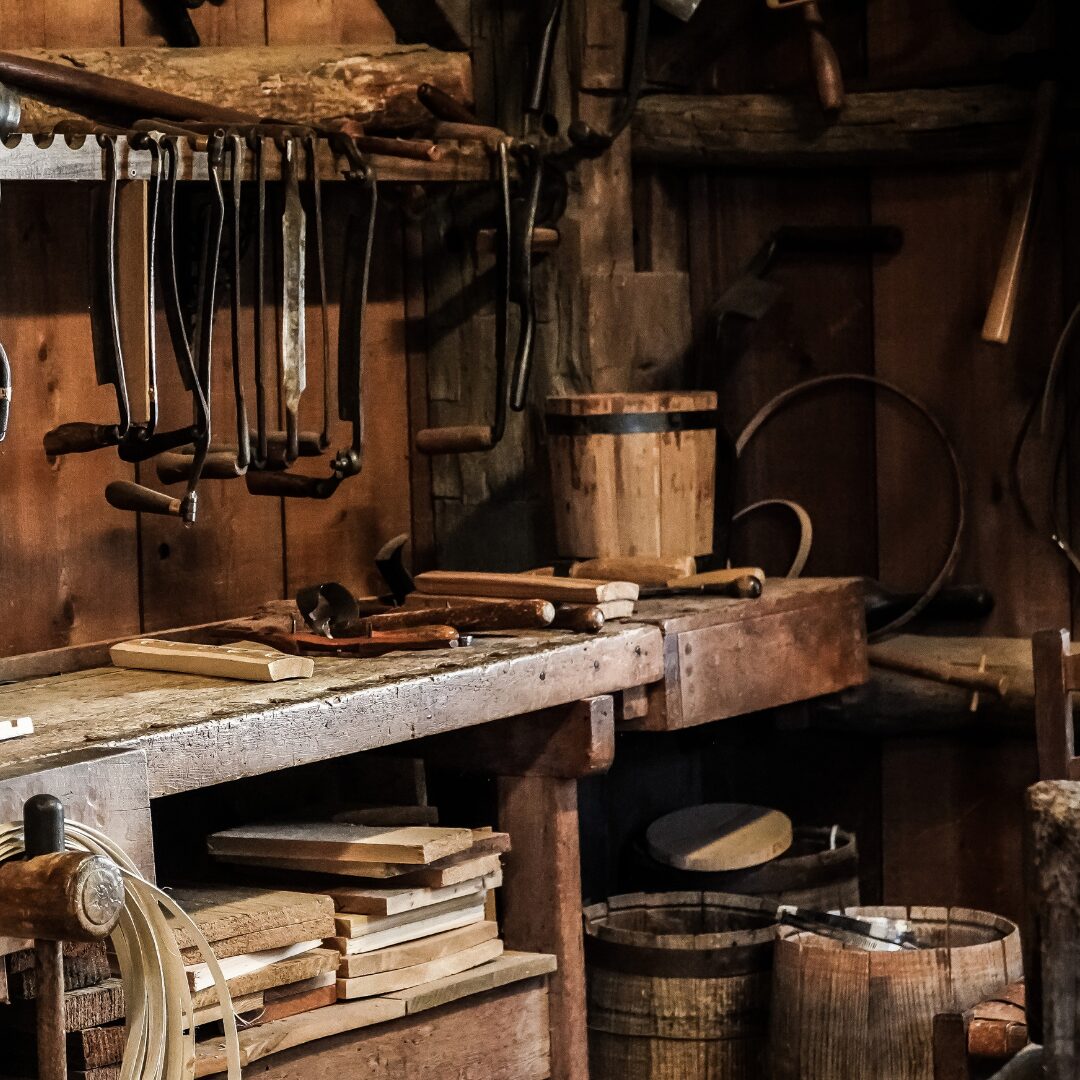
I spend a fair bit of time making things with my hands, and one lesson seems to come up over and over again, no matter what I’m working on. The people who become truly skilled aren’t the ones who think they’ve mastered their craft. They’re the ones who keep seeing another little detail to improve, another technique to try, another reason to slow down and pay closer attention.
Witchcraft has always felt a bit like that to me. Not because you’re trying to become perfect. Because you’re learning a craft, and crafts are never really finished.
So let’s talk about what “doing it right” actually means.
Finding Your Way
So… is there actually a right way to do this?
The short answer is yes and no. I know that sounds like I’m trying to avoid answering the question, but it’s honestly the most accurate answer I can give.
There are right ways to learn. Traditions have histories, practices, and beliefs that deserve to be understood on their own terms. If you’re exploring Wicca, learning what Wicca actually teaches matters. If you’re learning about a tradition that isn’t your own, approaching it with respect matters.
The craft isn’t a free-for-all where anything goes simply because someone says it feels right. But that doesn’t mean there is one perfect way for every witch to practice.
I Wish Mine Looked Like That
I’ve lost count of the number of times I’ve wandered through someone else’s garden and thought, I wish mine looked like this. It’s a perfectly ordinary feeling. The trick is remembering that you’re looking at the finished garden, not the years it took to grow.
Their soil isn’t my soil. Their rainfall isn’t my rainfall. The bees and birds visiting their garden aren’t necessarily the ones visiting mine. What flourishes for them might struggle in the ground outside my own door.
Learning witchcraft is much the same.
There’s nothing wrong with being inspired by someone else’s practice. That’s how many of us begin. We borrow ideas, ask questions, read books, and watch how more experienced practitioners do things.
The important part is learning why. Why do they use that herb? Why do they celebrate that festival in that way? Why does that ritual matter within their tradition?
Once you understand the roots, you can decide whether that practice belongs in your own life or whether it’s simply something beautiful to appreciate.
Over time, your practice will begin to reflect your own landscape, your own experiences, and the things that keep calling you back. It won’t look exactly like mine, or anyone else’s.
One day you’ll look around and realize your practice doesn’t look quite like anyone else’s anymore. I hope it doesn’t. That isn’t a sign you’ve wandered off the path. It’s a sign you’ve finally started walking your own.

Everyone Has a Beginning
You know, I think this is one of the hardest parts about starting anything new.
You spend five minutes online and it’s easy to come away thinking everyone else has shelves full of books, a beautiful altar, and years of experience behind them. After a while it starts feeling like you somehow wandered into the conversation halfway through.
I know that feeling. I remember looking at people who seemed so confident and wondering what they knew that I didn’t.
The answer, most of the time, was simply time.
You don’t see the books they started with, the rituals that felt awkward, the ideas they changed their minds about, or the mistakes they quietly learned from. You see the practice they’ve built after years of adding one piece to another.
I don’t think that ever completely goes away, either. I still come across someone with a perspective I hadn’t considered before, or a way of doing something that makes me stop and think. The questions are different now than they were when I was beginning, but I wouldn’t want them to disappear. If they did, I’d probably stop learning.
So if you’re looking around and wondering why everyone else seems so confident, remember that you’re comparing your first steps to someone else’s years of experience. That’s never going to be a fair comparison.
When Nothing Happens
You know, this is probably one of the most common worries people bring up. They’ll try a ritual, or a meditation, or some other practice they’ve been looking forward to, and afterward they’ll ask, “Was that supposed to feel different?”
Usually they’re expecting something dramatic. A rush of energy. A sign. A moment where everything suddenly clicks and they know they’ve done it right.
Instead, they light the candle, spend some quiet time with their thoughts, and then… go back to washing dishes or answering emails.
Honestly, I think that’s a much more common experience than we admit.
The more years I spend learning things—whether it’s witchcraft or making something with my hands—the more convinced I become that the important changes are often the quiet ones. A ritual might not leave you feeling transformed, but it might give you a little more clarity than you had before. A meditation might not empty your mind, but it might help you notice something you’ve been carrying around for weeks without realizing it. Sometimes you don’t see what changed until you’re looking back on it later.

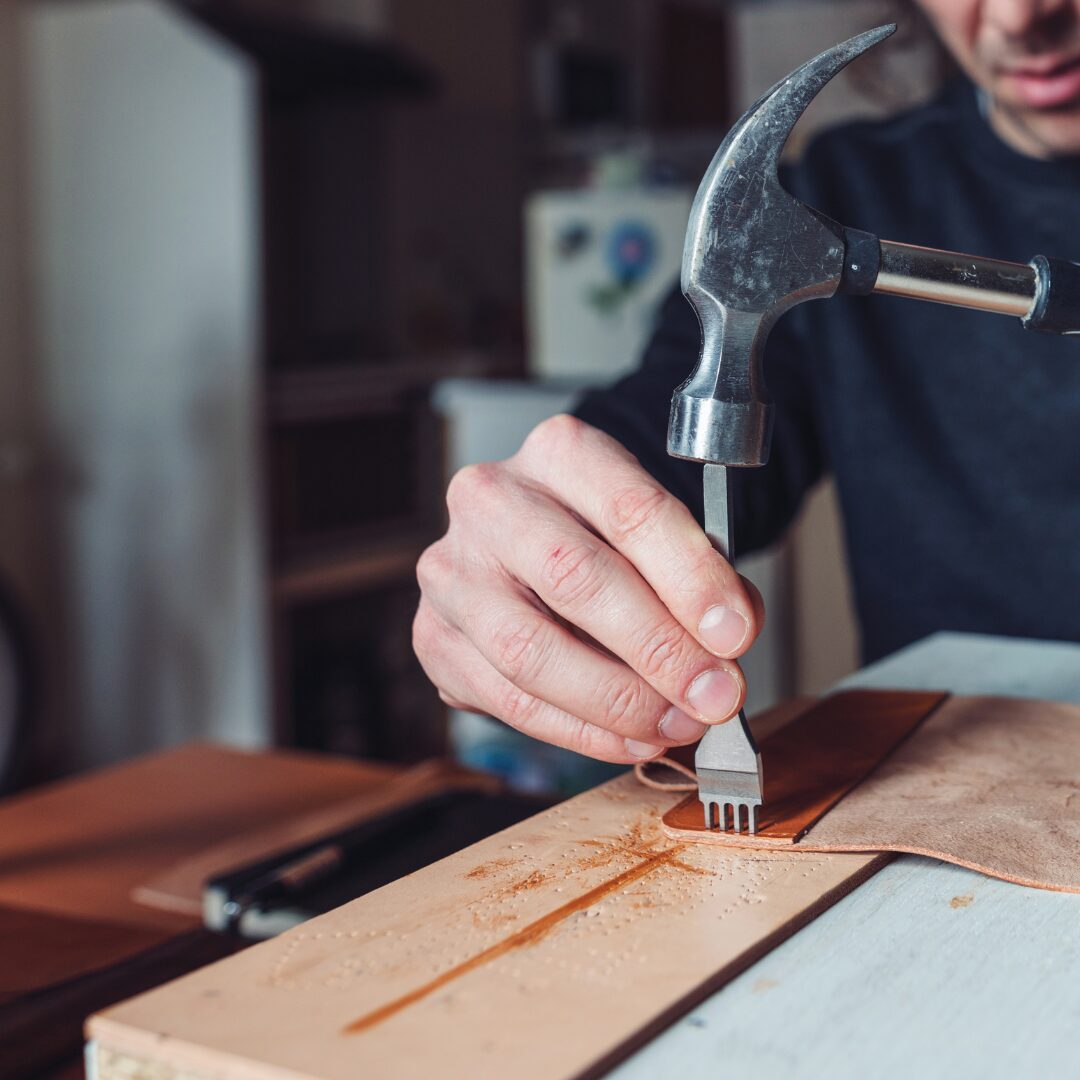
I don’t judge something I’ve made by the first strike of the hammer. I look at the finished piece. What worked? What would I change next time? What did I learn while I was making it?
My practice has become much the same.
Sometimes I have an experience that stays with me for years. Sometimes I just spend half an hour quietly reflecting before getting on with the rest of my day. I wouldn’t call one successful and the other a failure. They simply do different kinds of work.
So when you find yourself wondering whether you felt enough, maybe try asking a different question.
What did you learn from doing it?
The Quiet Signs of Growth
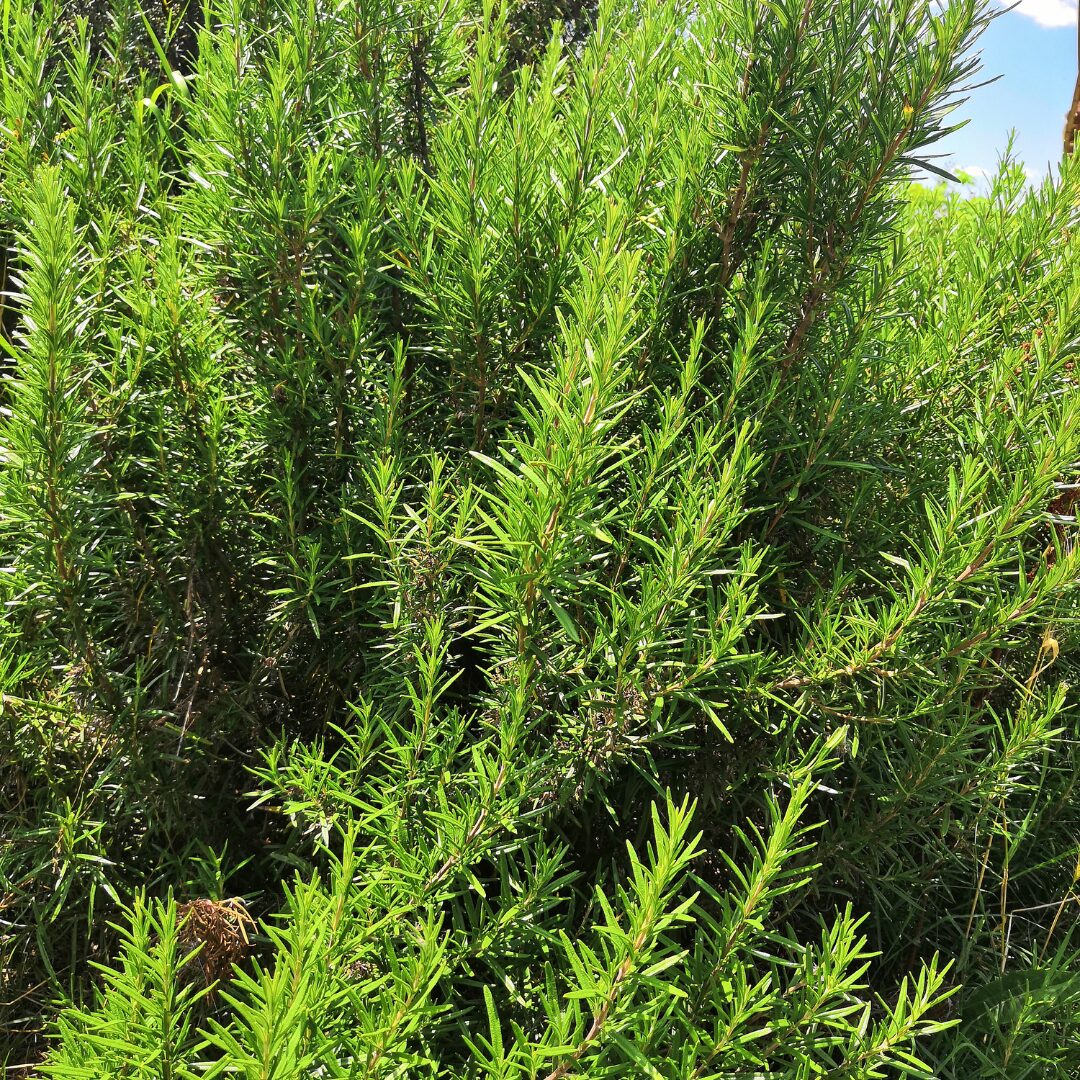
You know, talking about people wondering whether they’re doing things right, I keep thinking about my rosemary plant. I know that sounds like a strange connection, but stay with me.
I have a rosemary plant by the back door that has been there for years. Most mornings, when I’m heading outside, I brush my hand across it as I walk past. Sometimes I need a sprig for cooking. Sometimes I’m just saying hello without really thinking about it. A friend noticed once and asked me, “Do you always touch that plant before you go outside?” And I had to laugh, because I honestly hadn’t realized I did.
Somewhere along the way, that tiny moment had become part of my morning. It wasn’t something I decided to add to my practice. It wasn’t written down in a notebook or marked on a calendar. It just became part of the way I move through the world.
I think a lot of growth happens like that.
We spend so much time waiting for the big moment. The ritual where everything feels different. The meditation where our minds finally go quiet. The day when we suddenly think, “Right. Now I know what I’m doing.” Sometimes those moments happen, and they’re wonderful when they do. But a lot of the time, the changes are much quieter.
You might notice that you respond differently to something that used to upset you. You might find yourself stepping outside to look at the moon without even thinking about it. You might start paying attention to the seasons, or the plants around you, or the way your own energy changes throughout the year.
Small things, but small things add up. I think one of the best ways to notice growth is to pay attention to the questions you ask. When you’re beginning, the question is often: “Am I doing this right?” Later, it might become: “Why does this matter to me?” Then perhaps: “How can I bring this into my life in a way that feels honest?” The questions don’t disappear. They simply change.
And honestly, I think that’s a good sign. I would be much more concerned about someone who never questioned anything, never learned anything new, and never adjusted their practice than someone who is still curious after years of walking this path.
The big moments are lovely. I treasure them when they happen. But the quiet ones are usually the ones that stay. Sometimes growth looks less like a lightning strike and more like realizing one day that the thing you’ve been tending has been growing all along.
Letting Your Practice Grow With You
This is another question I understand, because when you’re starting out it can feel like you’re supposed to pick a direction and stick with it forever.
You find something that catches your interest. You buy a book, start learning the terminology, maybe try a few rituals or pick up a tarot deck. Then, six months later, you realize you’re far more interested in something completely different.
It’s easy to wonder whether that means you got it wrong the first time. I don’t think it does.
Looking back, there are plenty of things I was convinced would become an important part of my practice that quietly fell away. There are other things I barely paid attention to at first that have stayed with me for years. I don’t see that as inconsistency. I see it as learning what genuinely belongs in my practice instead of what I thought ought to belong there.
I think that’s true of any craft. The more time you spend with it, the more your own interests begin to show through. You stop trying to make exactly what everyone else is making and start noticing the parts of the work that keep drawing you back.
That’s a good thing.
Your practice shouldn’t look exactly the same after ten years as it did after ten weeks. If you’re still curious, still learning, and still willing to change your mind when something no longer fits, then your practice is doing exactly what it’s supposed to do.

What If I’m Starting Wrong?
I used to think every choice I made at the beginning of my practice was going to become permanent.
Seriously. 😅
If I started with tarot, was I supposed to become a tarot person? If I got really interested in herbs, was that my thing now? And don’t even get me started on crystals. At one point I thought I needed to find the *one* crystal that was right for me and basically commit forever.
Looking back, that makes me laugh a little, because I was putting so much pressure on something that was supposed to be about curiosity. I think I was so worried about getting things wrong that I forgot I was allowed to learn.
Have you ever noticed how easy it is to imagine everyone else knew exactly what they were doing from the beginning? Like they picked up one book, found their path, and never got distracted by anything else.
Meanwhile, I’ll open a book about herbs, notice one sentence about moon phases, and somehow end up forty-five minutes later reading about folklore instead. 😂📖
Honestly? That still happens. Curiosity is kind of like that. One question leads to another, and suddenly you’re learning about something you didn’t even know existed when you started. And that’s not a problem.
Your first interest doesn’t have to become your forever interest. You might completely fall in love with tarot and use it for years. You might discover later that what really keeps pulling you back is gardening, meditation, history, or something else entirely. 🌿
Neither one means you started in the wrong place. It just means you kept learning.
I think that’s something we forget when we’re beginners. We look at our choices like they’re permanent decisions instead of what they actually are: experiments. We try something, we notice what works, we notice what doesn’t, and we slowly figure out what feels meaningful.
Even the things that don’t stick can teach us something.
I have old tools and jewelry pieces that I don’t use the way I thought I would when I first bought them. For a while, I thought that meant I had somehow wasted money or picked the wrong thing. Now I look at them differently. Sometimes a bracelet becomes a charm for a bag. Sometimes a crystal gets moved somewhere it makes more sense. Sometimes something is beautiful simply because it’s beautiful, and honestly? That’s okay too. ✨
Your practice is allowed to change shape. You don’t have to choose perfectly the first time. Nobody does. So if you’re sitting there wondering whether you started with the “wrong” book, the “wrong” tool, or the “wrong” question, I hope you give yourself some room to explore. Start with the thing that caught your attention. Follow the curiosity that made you stop and think, “Wait… tell me more.”
You can always learn something new later. You can always change direction. That’s not a sign you failed. That’s a sign you’re paying attention. 🌱
Stay witchy 🌙🪄

Am I Preparing... or Avoiding?
This one always makes me smile a little, because I don’t think I’ve ever met anyone who reached the end of learning.
You finish one book, and now somebody’s recommending another one. You finally wrap your head around herbs, then someone starts talking about astrology. You get comfortable with one tradition and discover three more you’d like to understand better.
If you wait until you know everything before you begin, you’re going to be waiting for the rest of your life.
I don’t say that to be discouraging. Quite the opposite, really.
It’s one of the things I enjoy most about this path. I still come across ideas that make me stop and rethink something I thought I understood years ago. I still pick up books because I’m curious. I still change my mind now and then.
The difference is that I don’t think of those things as reasons to put my practice on hold anymore.
Learning and practicing aren’t two separate stages where one has to finish before the other begins. They’ve always happened together for me. I’d read something, try it, think about how it went, read a little more, try something else. Looking back, I don’t think I could even tell you where the learning stopped and the practice started, because they kept feeding each other.
So yes, keep reading. Keep asking questions. Keep filling notebooks if that’s how you learn best.
Just don’t convince yourself that one more book is the only thing standing between you and beginning.
Most of the time, it isn’t.
When Nothing Happens
You know, I think that’s probably the hardest part about this question. We want there to be a moment where someone can finally say, “There. Now I know I’m doing it right.” I don’t think it works that way.
I don’t remember a particular day when I suddenly felt like I had figured it out. I don’t think most people do. It was much quieter than that. It was a lot of small moments adding up: understanding something I hadn’t understood before, finding a practice that actually fit my life, realizing that something I used to struggle with had become natural.
Looking back, I think that’s how I know I’m on the right path. Not because I never question things. I still do. Not because I never change my mind. I absolutely do. Not because everything I try feels profound or meaningful in the moment. Sometimes the work is exciting. Sometimes it’s quiet. Sometimes I learn something because it goes exactly the way I hoped, and sometimes I learn because it doesn’t.
But I’m still curious. I’m still willing to listen, to adjust, and to keep learning. And maybe that’s the answer. Doing witchcraft “right” doesn’t mean reaching some point where you finally have no more questions. It means building a practice you are willing to keep returning to.
The questions are part of the work.
The learning is part of the work.
The walking is part of the work.