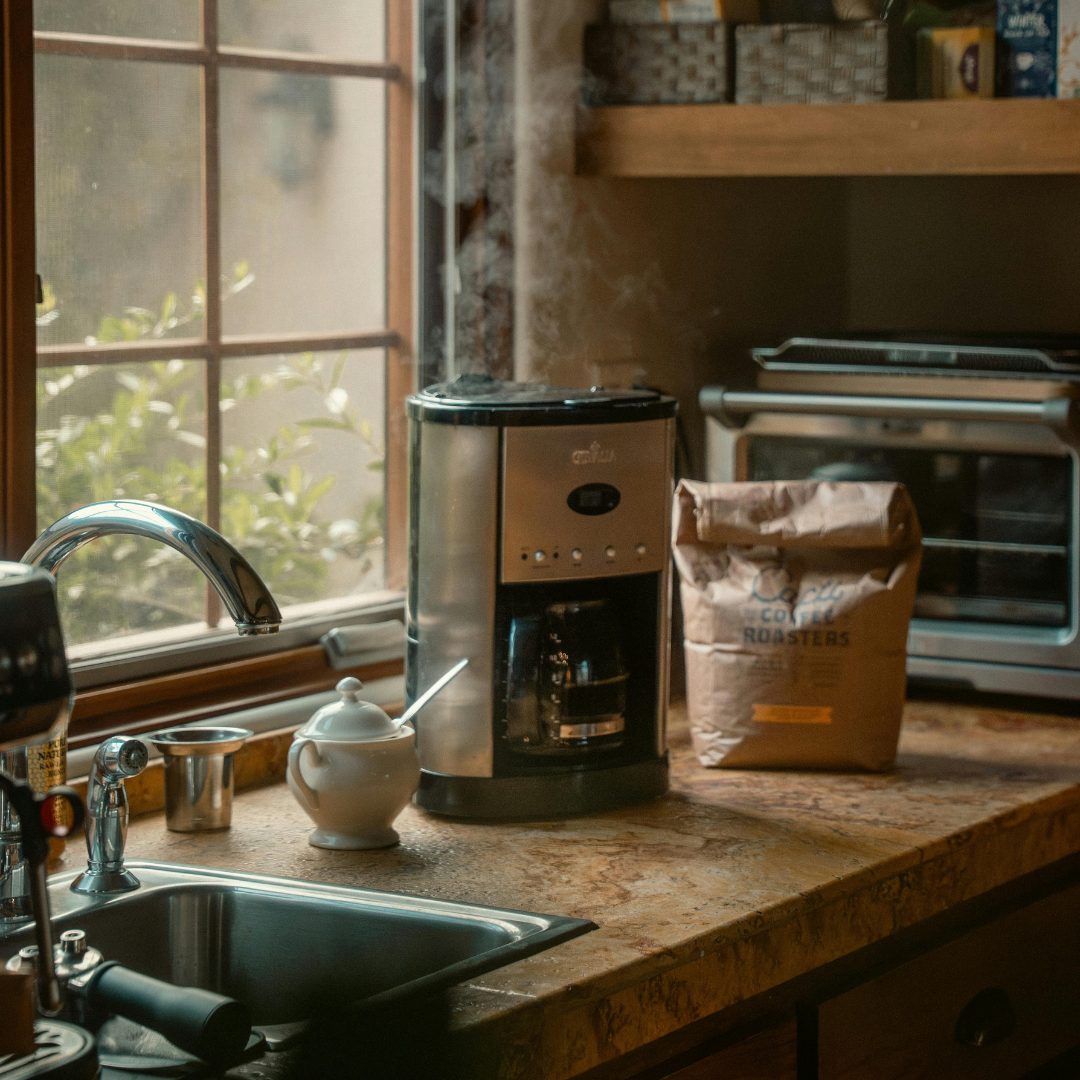
I was standing at the kitchen counter this morning with a cup of coffee, and I found myself thinking about how much of my witchcraft has always happened right here. Not in some special room set aside for magic. Not with a collection of tools that I had to buy before I was allowed to begin. Right here, where the coffee gets made and somebody inevitably leaves a glass beside the sink instead of putting it in the dishwasher.
I think that’s part of what took me so long to really appreciate about kitchen witchcraft. We can make witchcraft sound like something that happens apart from ordinary life, when so much of what we actually do already carries intention. We cook for people because we care about them. We clean because we want our homes to feel safe and comfortable. We grow things, preserve things, share food, mark the seasons, and keep little traditions alive without necessarily stopping to call any of it magic.
Then sometimes we do stop and notice.
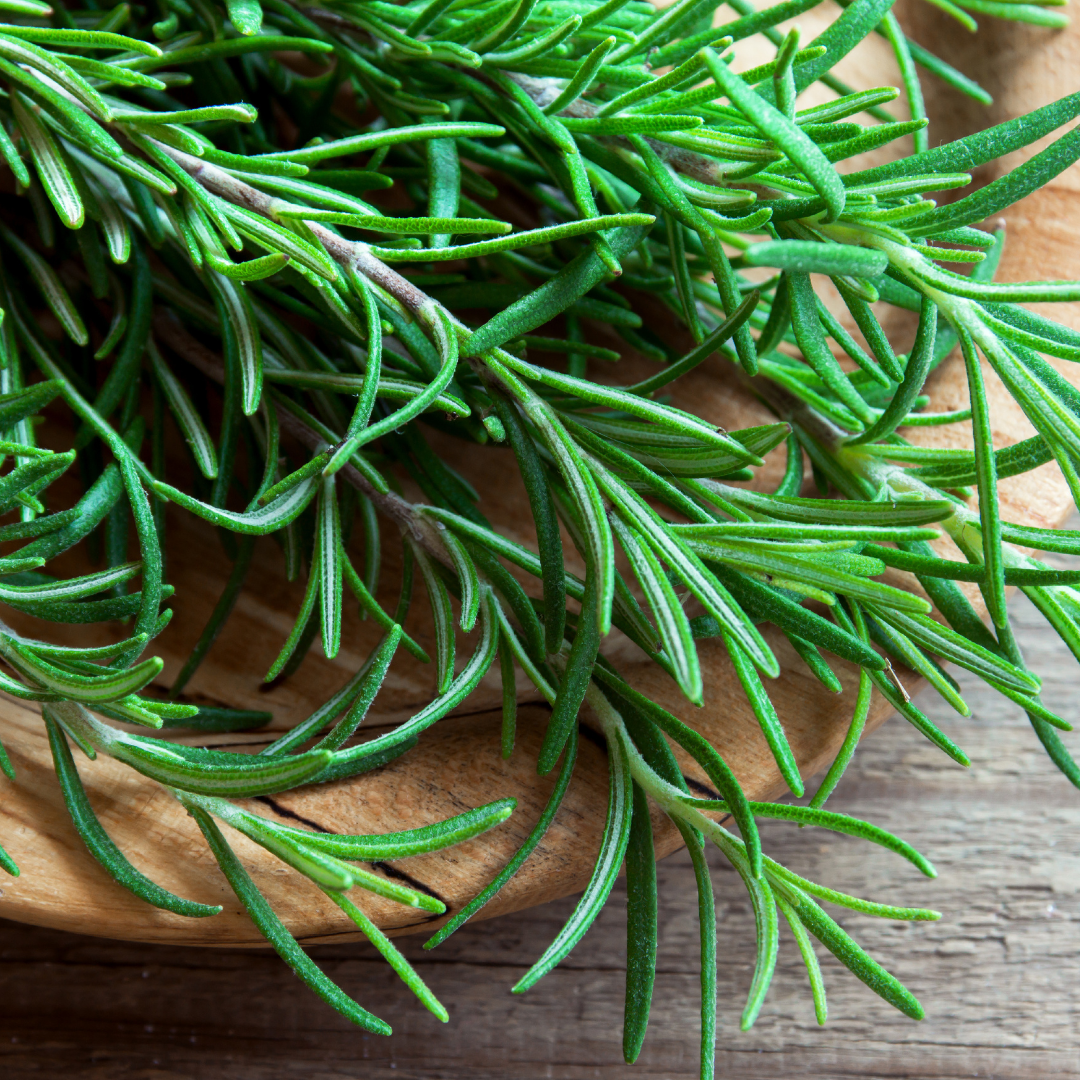
That’s where things get interesting. Maybe the rosemary goes into dinner with an intention for protection. Maybe the bread you’re making becomes part of a seasonal celebration. Maybe sweeping the kitchen becomes a small way of clearing out the emotional leftovers from a difficult week. The action hasn’t necessarily changed. What changes is the attention you bring to it.
And that’s really what I want to talk about here: the places where magic and ordinary life meet. Because I don’t think we need to make our lives more elaborate to make them more magical. I think we might just need to notice what is already there.
What Makes an Ordinary Thing Magical?
You know what I think it is? We get so used to hearing that magical things are supposed to be special that we start looking right past the things that are already meaningful to us.
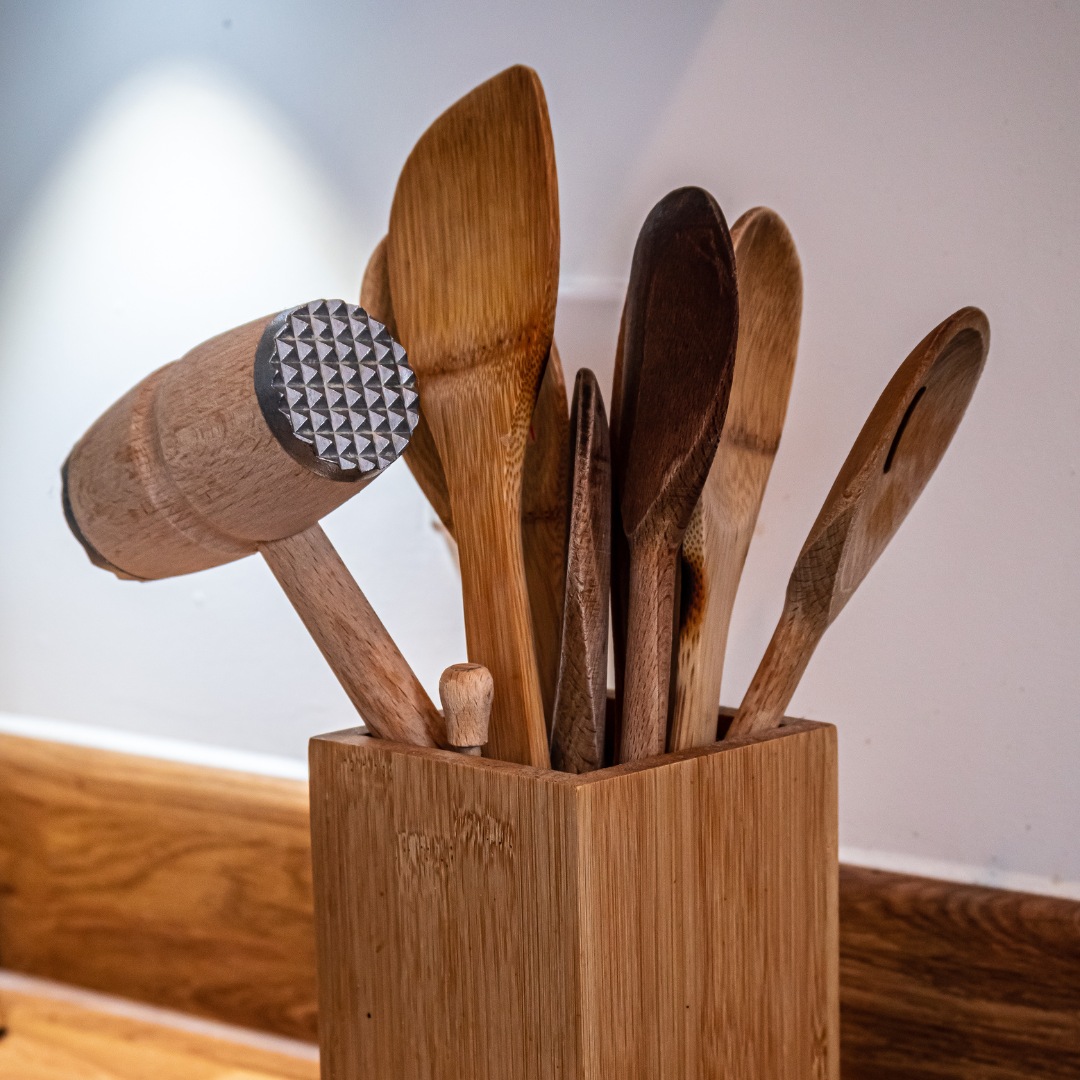
I have a wooden spoon like that. It’s nothing fancy. I couldn’t tell you where I bought it, and if you put it next to a drawer full of wooden spoons at a kitchen shop, nobody would pick it out as the magical one. I’ve used it for years, though. It has stirred soup when somebody was sick, sauce when dinner was running late, jam when the kitchen was too hot, and more than a few things that needed rescuing at the last minute. At some point it stopped being just a spoon I happened to own. It became my spoon.
I think that’s where some of the confusion comes from when we talk about magical objects. We tend to imagine that something has to arrive with a special quality already attached to it. Sometimes it does. A ritual tool can have a particular purpose, a history, or a meaning within a tradition. That’s worth learning about. But there are also things that become important because of what we do with them and the history we build around them.
My grandmother’s recipe card means something to me because of the person who wrote it. The rosemary by my back door means something because I’ve tended it for years. That battered mug in the cupboard has been present for more family conversations than some relatives have.
None of those things needed me to declare them magical before they became meaningful.
And honestly, I think that’s rather lovely. It means I don’t have to go shopping before I can begin. I can pay attention to what is already part of my life and see what relationships are there.
Sometimes the magic isn’t in the thing.
Sometimes it’s in everything that has happened between you and the thing.
When Are We Making Meaning, and When Are We Just Making Meaning Up?
I think one of the easiest traps in witchcraft is deciding what something means before we’ve actually spent much time with it.
I do this myself. I’ll find a stone on a walk, bring it home because I like the shape of it, and three days later catch myself wondering what it *means*. Which is a slightly ridiculous question when the honest answer is, “I thought it was pretty.”
Sometimes that’s enough.
There’s a difference between something becoming meaningful to you and something having an established meaning within a tradition. The rosemary growing beside my kitchen door has years of associations for me because I’ve cooked with it, tended it, and watched it survive things that probably should have killed it. That’s my relationship with that plant. It doesn’t mean rosemary has suddenly acquired a secret magical property because I happen to love it.
Then there are correspondences. We find them in books, traditions, and the accumulated experience of other witches. They’re useful. They give us somewhere to start. But a book saying that an herb corresponds to protection isn’t quite the same thing as discovering what that herb means in *your* practice.
I think that’s where things get slippery. We find a correspondence, and before long it becomes a rule. Someone tells us a particular stone is protective, and suddenly we’re wondering whether the stone will still work if we don’t believe the right thing about it.
Sometimes I think we get so excited about finding meaning that we forget to leave room for noticing. A candle can be a candle. Rosemary can be dinner. A stone can sit on your desk because you like having it there. And sometimes, after you’ve lived with something for a while, it becomes something more.
I don’t think we have to decide which is happening immediately. We can notice first. The meaning can come later.
Magic and the Mundane Belong Together
I’ve never understood magic as an excuse to stop participating in my own life.
If I’m worried about the house, I can light a candle for protection, say a blessing over the doors, and still check that the windows are locked. If money is tight, I might make a prosperity charm or put an intention into my morning coffee, but I’m also going to look at the budget and figure out where the money is actually going. The candle isn’t offended by the spreadsheet.
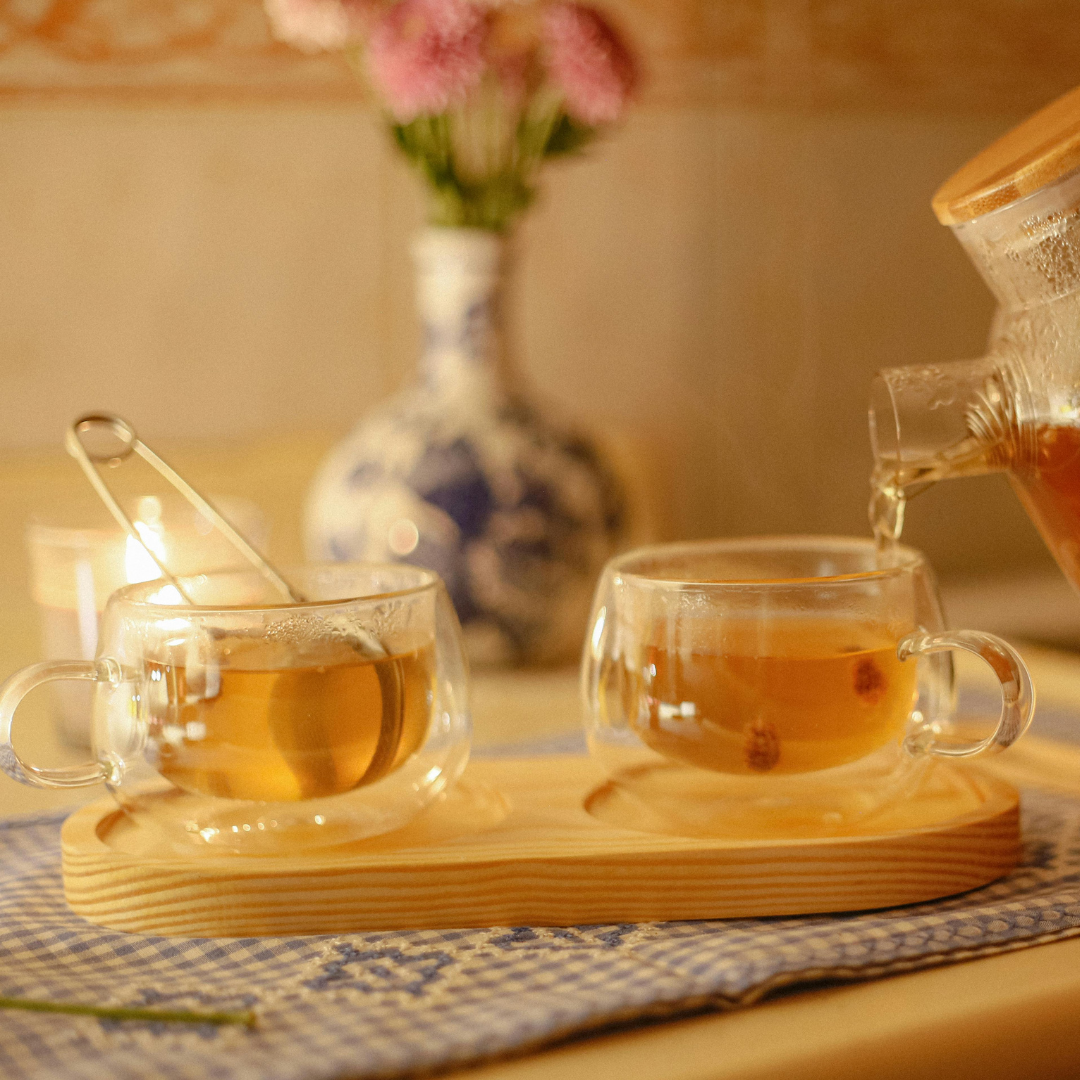
The same thing applies to care. I can make tea for someone who’s having a hard day and put a little intention into it, but I’m still going to sit down and listen if they need to talk. If someone I love is sick, I can pray, light a candle, or work a healing ritual, but I’m not going to decide that magic means they don’t need a doctor.
I think there’s something reassuring about letting both things have their place. The practical action deals with what’s happening in the physical world. The magic gives us another way to bring attention, intention, hope, or relationship to what we’re doing.
And sometimes the magical part reminds me to do the practical part in the first place. If I’m making a protection charm for my home, I might notice while I’m doing it that the back door lock has been sticking. Well, there’s my next magical act: replace the damn lock.
Magic can help me pay attention to my life. It shouldn’t ask me to stop living it.
When Does Routine Become Ritual?
Sometimes laundry is just laundry.
There are days when I’m standing in front of the washing machine thinking about nothing more profound than whether I’ve got enough clean socks to get through the week. I don’t need to turn that into a ritual. Sometimes I just need to get the clothes washed.
But then there are other things I do often enough, and with enough attention, that they start to mean something beyond the task itself. Sweeping the kitchen floor can be one of those things for me. I can sweep because there are crumbs on the floor, and that’s the whole story. Or I can take a few minutes to clear the room, open a window, and consciously think about what I want to leave behind and what I want to make room for. The broom hasn’t changed. I have.
That’s the part I find interesting about ritual. It isn’t necessarily the action that makes something a ritual. It’s the meaning and attention we bring to it.
A routine happens because it’s Tuesday and the towels need washing. A ritual happens when I decide that the thing I’m doing is also a way of marking something, tending something, or connecting with something that matters to me. Sometimes that distinction is obvious. Sometimes it’s so small that I wouldn’t bother naming it at all.
I don’t think we need to make every ordinary chore sacred. That sounds exhausting, and I’ve already got enough laundry.
But I do like knowing that an ordinary task can become meaningful when I choose to slow down and notice what I’m actually doing. Sweeping can clear a floor. It can also give me a few quiet minutes to settle myself, reset the room, and begin again.
Both are useful.
And if all I accomplish on a given day is clean laundry, a swept floor, and a reasonably decent dinner, I’ll take that as a successful bit of magic too.
The Meaning We Build Over Time
I think there’s another piece to this that we don’t talk about very often. Sometimes something becomes meaningful simply because we’ve lived with it for a long time.
The rosemary by my porch is a good example. I knew the usual correspondences when I started working with it—protection, memory, cleansing. But after years of watching it survive bad weather, cutting it back and watching it grow again, harvesting it for dinner and for spells, it became something more personal than a list in a book.
It has a history with me.
I think that happens with other things, too. A particular bowl becomes part of every harvest ritual. A piece of jewelry carries memories of someone or somewhere important. An old tool gets repaired instead of replaced because you’ve used it for years and know exactly how it feels in your hand.
There’s nothing wrong with learning correspondences from books. They give us somewhere to begin. But our practice doesn’t have to stop there.
Some of the meaning comes from what we learn. Some of it comes from what we experience. And some of it is built slowly, simply because we keep returning to the same things and letting them become part of our lives.
Sometimes you don’t realize how much meaning you’ve built until an ordinary object stops feeling ordinary.
When Food Becomes an Act of Care
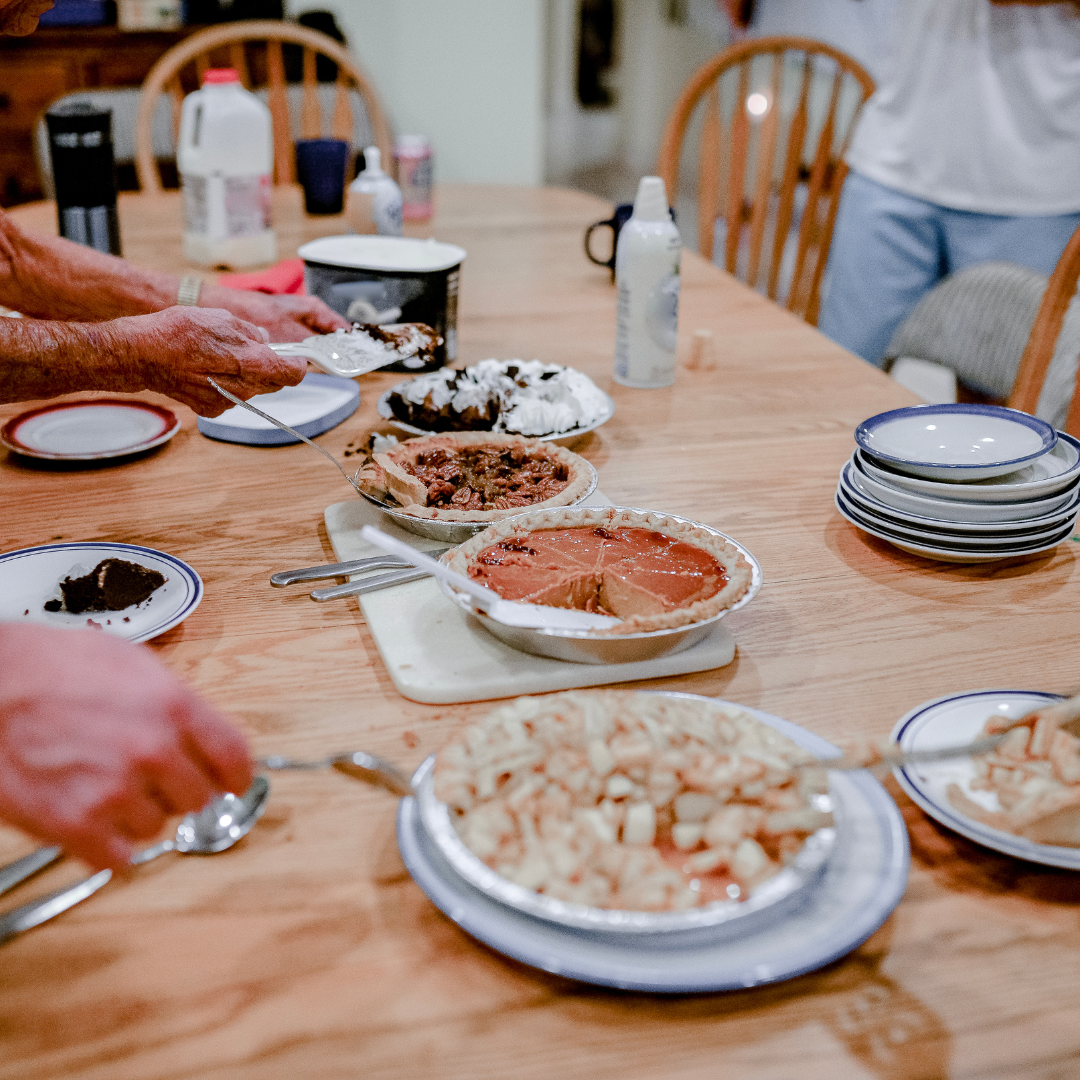
I think food is one of the easiest places to see how ordinary life and magical practice can overlap, because cooking already asks us to pay attention. You choose what goes into the pot, you work with what you have, you adjust when something doesn’t turn out quite the way you expected, and eventually you put something on the table for somebody to eat. There is a lot of intention in that, even before you call it magic.
I might chop rosemary while thinking about protection, stir a soup with an intention for comfort, or bake bread while thinking about abundance and what it means to have enough to share. None of that requires me to stop cooking and perform a separate ritual. The cooking itself gives me something to work with. The scent, the repetition, the warmth of the kitchen, the people I’m feeding. They’re already part of the experience.
And shared meals can carry that same kind of meaning. There’s something about sitting down together that changes a meal from simply putting food into hungry people. We’re making time for one another. We’re telling stories, passing dishes around, checking in, laughing, sometimes having the same argument we’ve had twelve times before because apparently nobody has learned anything. That matters too.
I think that’s why kitchen witchcraft feels so natural to me. Food is care you can hold in your hands. You can make something nourishing, put intention into it, and then give it away.
You don’t have to call that magic for it to matter.
But if you do call it magic, I think you’ll find there’s been quite a bit of it happening in the kitchen all along.
The Things We Inherit
Maybe you have a recipe that’s been in your family for generations, that no one remembers the origins. Maybe your mother taught you, as she learned from her mother, and the only real instruction you’ve ever had is, “You’ll know when it’s right.” I have a few of those. You don’t necessarily think about them as magical. They’re just things your family does.
But once you start asking questions, you realize there’s a whole story sitting underneath something you thought was just dinner. I think that’s part of what interests me about traditions. We can inherit something without knowing much about its history. We know how to do it, but we don’t always know who started it or why it became important.
There’s nothing wrong with being curious about practices that aren’t part of your own background. I’m curious about all sorts of things. But when something catches my attention, I want to know a little more before I start using it. Where did it come from? Who practices it? Who teaches it? Is it something that’s openly shared, or does that community have boundaries around how it’s learned? And sometimes you discover that what interested you wasn’t actually the practice itself. Maybe it was the relationship with ancestors, the way a community understands plants, or simply the history of how something survived. You can learn from that without assuming you need to take it home with you.
Food gives us a nice example because recipes travel so much. People move, families change, ingredients get substituted, and a recipe slowly becomes something a little different. Years later, you’re sitting at someone’s table eating something with a much longer story than you realized.
For me, that’s where respect and curiosity fit together. I don’t think respect means being afraid to ask questions. It means being willing to listen to the answers.
I’m sitting here now with the rosemary I harvested for dinner, and there’s a white candle burning on the counter because, well, of course there is. I have white candles everywhere. And I keep looking at the two of them and thinking about how much I can actually do with what is already around me.
That’s one of the things I love about witchcraft. My intention is what gives the practice its direction. The tools help me focus, mark the moment, or give me something tangible to work with, but they aren’t the gatekeepers. They don’t get to decide whether I can practice today. The candle is a tool. The rosemary is a tool. The kitchen is a place where I happen to have a great many tools.
And if I forget all of that and start thinking I need the right object, the right setup, or the right collection of supplies before I can do anything meaningful, I can usually solve the problem by looking around my own kitchen. There’s almost always something here I can begin with. Sometimes it’s a white candle. Sometimes it’s rosemary. Sometimes it’s a wooden spoon and a pot of soup. And sometimes, honestly, it’s just me standing at the counter realizing that I’ve had more magic within arm’s reach than I knew what to do with.
Maybe that’s why I think a white candle and rosemary can change the world. Not because either one is powerful enough to do it alone. Because ordinary things, used with intention and care, can change the way we move through the world.
And that’s a pretty good place to start.