
What Makes a Tool Magical?
Tools, Spaces, and What You Actually Need
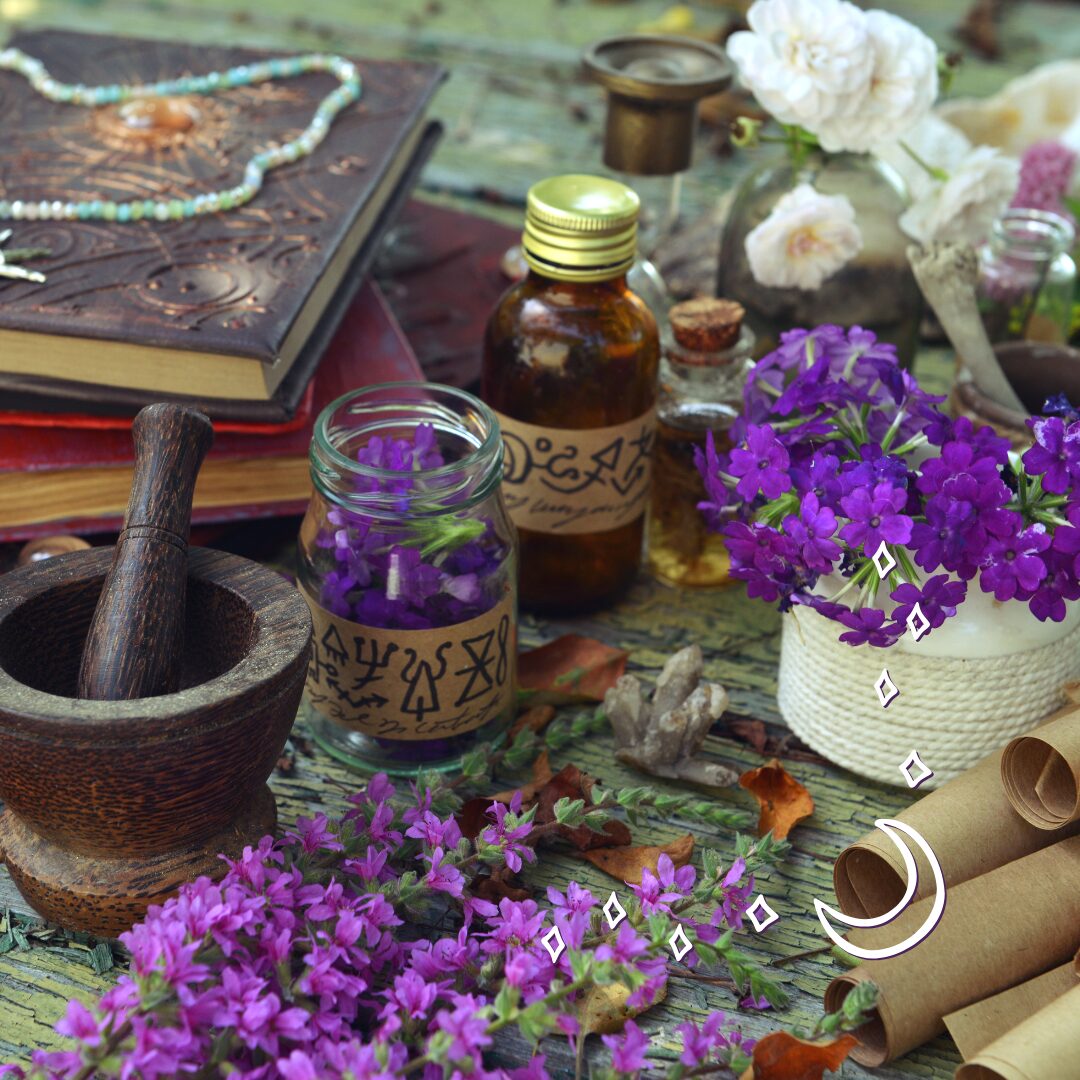

Witchcraft can seem to come with a surprising amount of stuff.
Candles, crystals, wands, athames, chalices, incense, pentacles—and then you encounter an altar, sacred space, circles, consecration, and a dozen other things you’re apparently supposed to understand.
If you’re new, it’s pretty reasonable to wonder: Do I actually need all this?
No shopping list comes with witchcraft. Different traditions use different tools, and people use the same objects in very different ways. A tool might have a traditional purpose, help you focus your attention, carry personal meaning, or simply be something you enjoy using.
And sometimes the thing that works is something completely ordinary. A bowl from the kitchen. A candle you already had. A stone you picked up because you liked it. A space on the corner of a table that gets cleared when dinner needs to happen.
So let’s look at what witches mean when they talk about tools, why we use them, and how altars, sacred space, and circles fit into the picture. More importantly, we’ll talk about what is actually useful to have—and what you can leave on the shelf.
Do I Really Need All This?
The first time you look at witchcraft tools, it can feel like somebody handed you a shopping list you didn’t know you were supposed to have. Wands, candles, bowls, herbs, crystals, athames… and suddenly you’re wondering whether you need all of this just to get started.
You don’t.
Tools can be useful for all sorts of reasons. Some have particular meanings within a tradition. Some help you focus, engage your senses, or mark the beginning and end of a ritual. Some are simply practical things that make a particular kind of work easier.
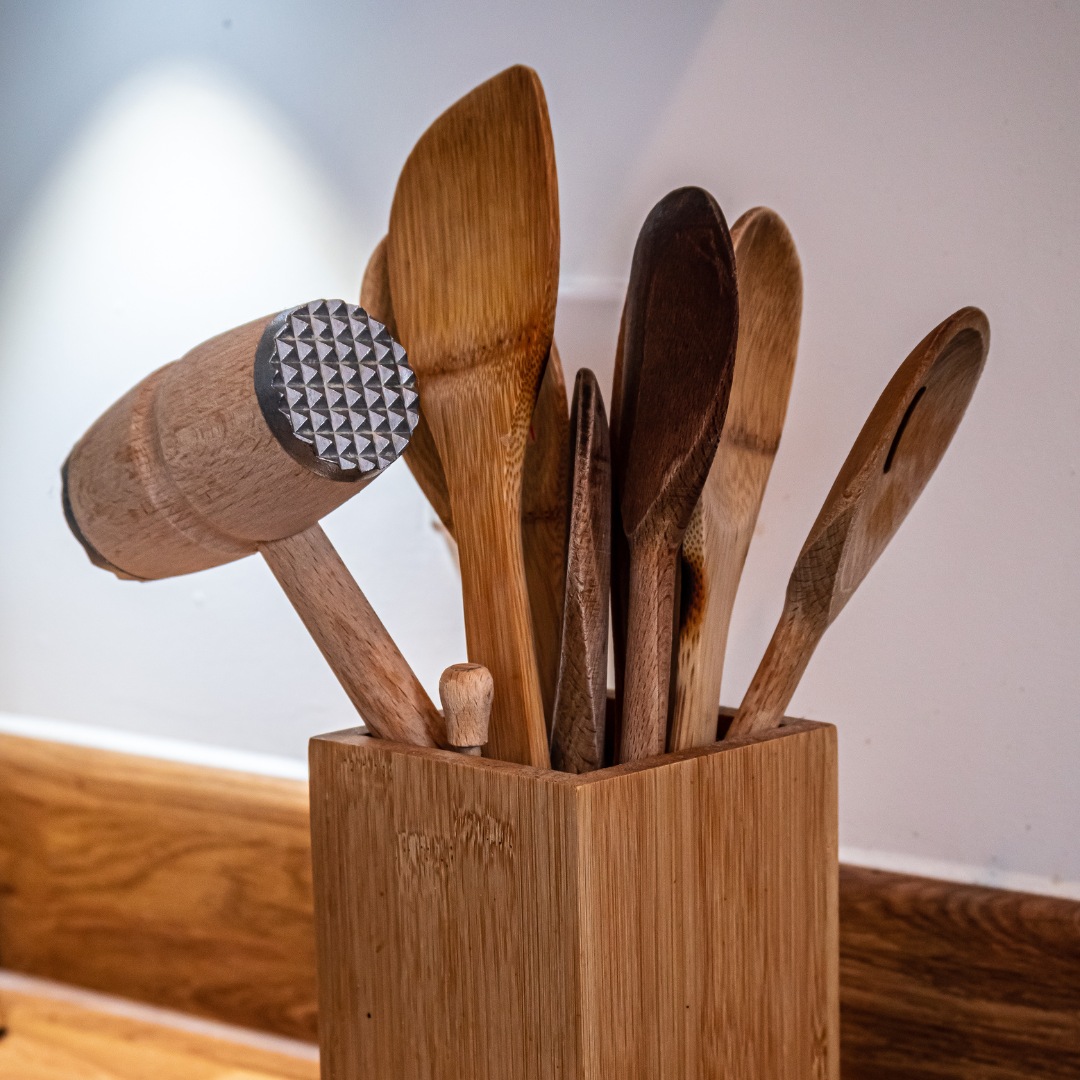
And some of them are things you already own. A bowl from the kitchen can still hold water. A wooden spoon can still stir something you’re cooking with intention. You don’t need to replace perfectly good household objects with their more expensive, witchier-looking cousins before you’re allowed to practice.
That doesn’t mean tools are meaningless, either. Over time, you may find that a particular candle, deck, knife, stone, or piece of jewelry becomes important to you. You may discover that having a dedicated object helps you shift your attention into ritual. That’s part of the fun of finding your own practice. But you don’t need to own the tools before you can begin learning what they’re for.
Start by learning. See what interests you. Then, if you decide something would genuinely help your practice, you can choose it because you understand why you want it—not because a list told you that a witch is supposed to have one.
Popular Tools of Witchcraft
Once you start exploring witchcraft, you’ll come across some tools more often than others. Wands and athames may be used to direct or focus energy during ritual. Chalices and cauldrons appear in many traditions, often carrying particular ritual or symbolic meanings. You’ll also encounter pentacles, candles, incense, bells, cords, crystals, and plenty of other objects.
That doesn’t mean these tools all belong to the same tradition, or that everyone uses them in the same way. Their meanings and purposes can change depending on the tradition, the ritual, and the person using them.
And some magical tools don’t look particularly magical. A bowl, a stone, a piece of cloth, a notebook, or something you found outside can all have a place in someone’s practice.
This isn’t a complete list. It’s just a few of the things you’re likely to encounter as you explore.
Not Every Witch Uses the Same Things
If you spend much time looking at witchcraft online, you might start to think there’s a standard collection of things every witch is supposed to have. A wand, a chalice, an athame, crystals, candles, herbs, an altar… the list can get pretty long.
But whose list is it?
Different traditions use different tools, and they don’t necessarily mean the same thing from one practice to another. Some objects have particular roles within particular traditions. Some are used in many different practices. Some aren’t part of someone’s practice at all.
That’s worth remembering when you see something described as an essential witchcraft tool. Before you decide you need it, ask why it’s being used and where that use comes from. Is it part of a tradition you’re actually learning? Is there a particular meaning attached to it? Or is it simply something you’ve seen often enough online that it started to feel necessary?
You may find that the answer is surprisingly simple: you don’t need it.
And if you do find an object that has a place in your practice, learning why it matters can make it much more meaningful than simply adding another item to your collection. A tool doesn’t become important because somebody on the internet told you every witch needs one. Its meaning comes from the relationship you build with your practice, your tradition, and the way you use it.
So as you look through the tools you’ll encounter, don’t worry about figuring out which ones you’re supposed to own. Start by getting curious about what they are, where they come from, and why people use them. You can decide what belongs in your practice after you understand what you’re looking at.

What About an Altar?
An altar is a place where someone gathers objects connected to their practice. It might hold tools, candles, offerings, images of deities, natural objects, or simply things that help create the right frame of mind for whatever they’re doing.
And it doesn’t have to be a particular piece of furniture. An altar might be a shelf, a small table, part of a dresser, a corner of a desk, or something you set up only when you need it.
Some people use an altar for ritual or spellwork. Others use one for prayer, meditation, offerings, seasonal observances, or simply as a place to keep meaningful things together. What an altar does depends on the person and the practice.
It also doesn’t have to stay assembled all the time. A cloth spread over the kitchen table can become an altar for an evening and disappear again when dinner needs to happen. A box can hold everything you use and become an altar when you take those things out.
So if you don’t have an altar, you’re not missing a required piece of witchcraft. If you eventually decide you’d like one, it can be as simple or elaborate as makes sense for you.
The useful question isn’t “Does this look like an altar?” It’s “What do I want this space to help me do?”
When Your Practice Has to Fit Around Other People
Not everyone has a private room for witchcraft. You might live with family, roommates, a partner, or children. Maybe you share a home with people who don’t practice, or maybe you simply aren’t ready to explain what you’re exploring.
That’s okay. Your practice doesn’t have to take over your home to be meaningful.
An altar can be temporary. Tools can be put away. Sacred space can exist for an evening and then become the kitchen table again. You can have a practice that is visible, private, or somewhere in between.
And when you share your space with other people, their needs and boundaries matter too. Witchcraft doesn’t give us a special exemption from being considerate housemates. 😉
The important thing is finding a way for your practice to fit into the life you actually live, rather than feeling like you have to rearrange your whole life to make it look like someone else’s.
Sacred Space
Sacred space is a place you set aside for something meaningful to you. It might be used for ritual, meditation, prayer, spellwork, or simply spending a little time with your practice.
An altar can be part of that space, but they aren’t the same thing. An altar is a place where you gather objects connected to your practice. Sacred space is about setting the space itself apart for a particular purpose.
That space doesn’t have to be permanent, either. It might be a corner of a room, a spot outdoors, or somewhere you create for a particular ritual and then return to ordinary use afterward.
Different traditions have different ways of creating sacred space, and some people may not use the idea at all. Like so much in witchcraft, it’s something to explore rather than another requirement to add to your list.

What About Circles?
A circle is a way some witches prepare and mark a space for ritual or magical work. Depending on the tradition, it may have particular meanings, methods, and symbolism.
A circle isn’t the same thing as sacred space. You can create sacred space without casting a circle, and you can cast a circle without having a permanent sacred space. An altar isn’t required for either one.
Not every witch or tradition uses circles, either. If you come across one in your reading, think of it as one particular practice to learn about, rather than something you need to add to every bit of witchcraft you do.
What Do I Really Need?
Honestly? Probably less than you think.
You don’t need a collection of tools, a permanent altar, a dedicated room, or a circle before you can begin. Those things can all become meaningful parts of a practice, but you can learn about them as you go.
Start with what interests you. Use what makes sense. Let yourself discover what becomes meaningful along the way. 🌿