
Moon Phases
Understanding the Moon in Everyday Witchcraft
The moon hangs above us whether we notice her or not.
Some evenings she rises as a brilliant silver disc that demands your attention. Other nights she is nothing more than a delicate crescent caught in the branches of a tree, or absent from the sky altogether. She has not changed nearly as much as it seems. She is simply continuing her ancient dance around the Earth, revealing different faces as she travels.
For thousands of years, people have watched that dance. Farmers planted by it. Sailors navigated by it. Storytellers built myths around it. Witches learned to work alongside its steady rhythm.
If you’ve spent any time reading about witchcraft, you’ve almost certainly seen advice like “wait for the waxing moon” or “this is best done during the waning moon.” It can sound as though the moon keeps a schedule you’re expected to memorize before you’re allowed to practice.
She doesn’t.
Moon phases aren’t rules. They’re one of many correspondences witches use to add another layer of meaning to their work. They offer a rhythm to work with, not a set of deadlines to obey. If you need to cast a protection spell today, today is the right day. If the moon’s phase happens to support your intention, consider it a welcome companion rather than a requirement.
Like so much in witchcraft, the moon invites awareness more than perfection.
Growing and Shrinking
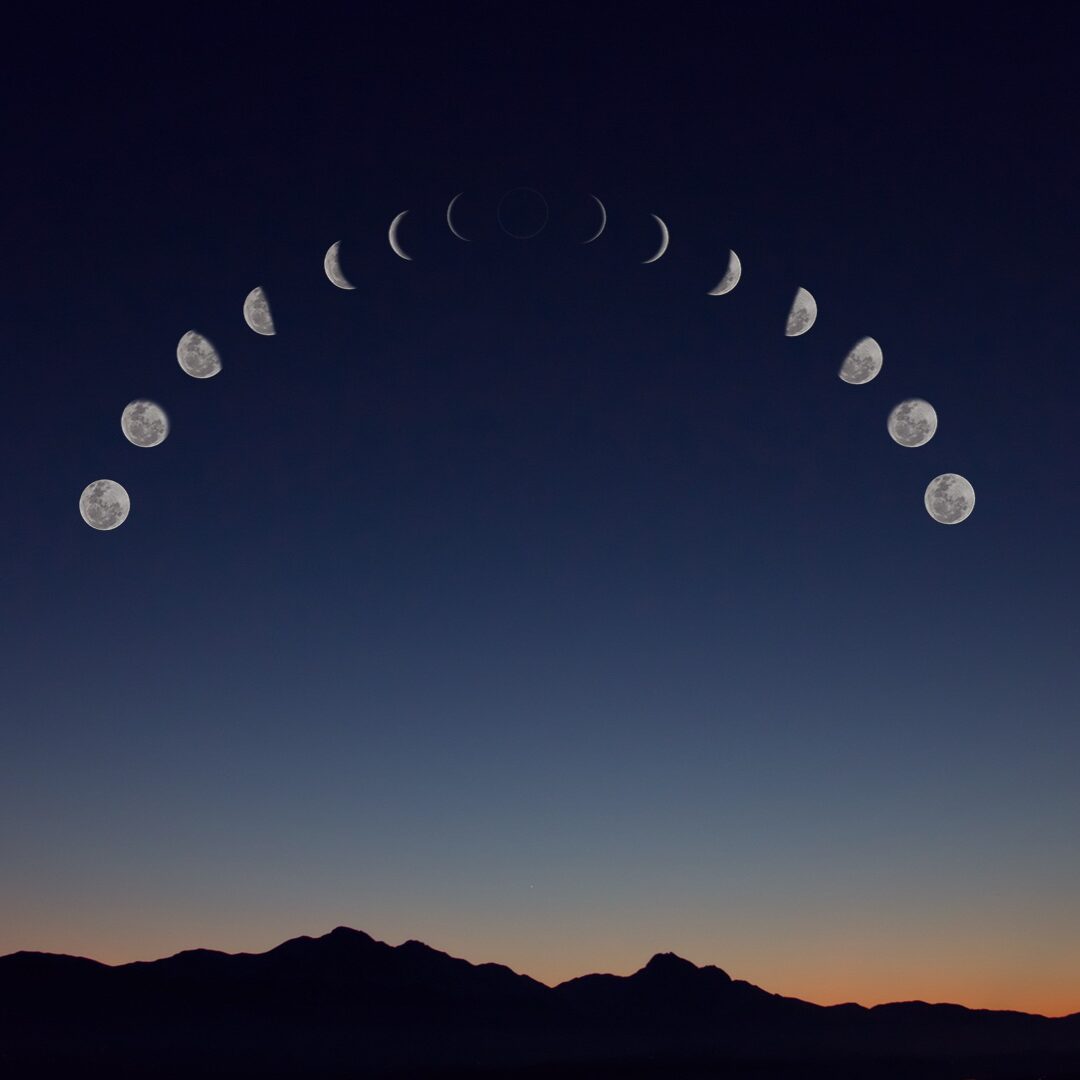
Before worrying about all eight phases, it helps to understand the two ideas that sit beneath them.
When the illuminated part of the moon is growing, she is waxing.
When the illuminated part is shrinking, she is waning.
That’s the pattern most witches are referring to when they talk about timing magic.
A waxing moon naturally lends itself to work that builds, attracts, strengthens, or encourages growth. A waning moon suggests releasing, clearing, reducing, healing, or letting something come to an end. Everything else is simply a more specific point along that larger cycle.
You Don't Have to Memorize the Moon
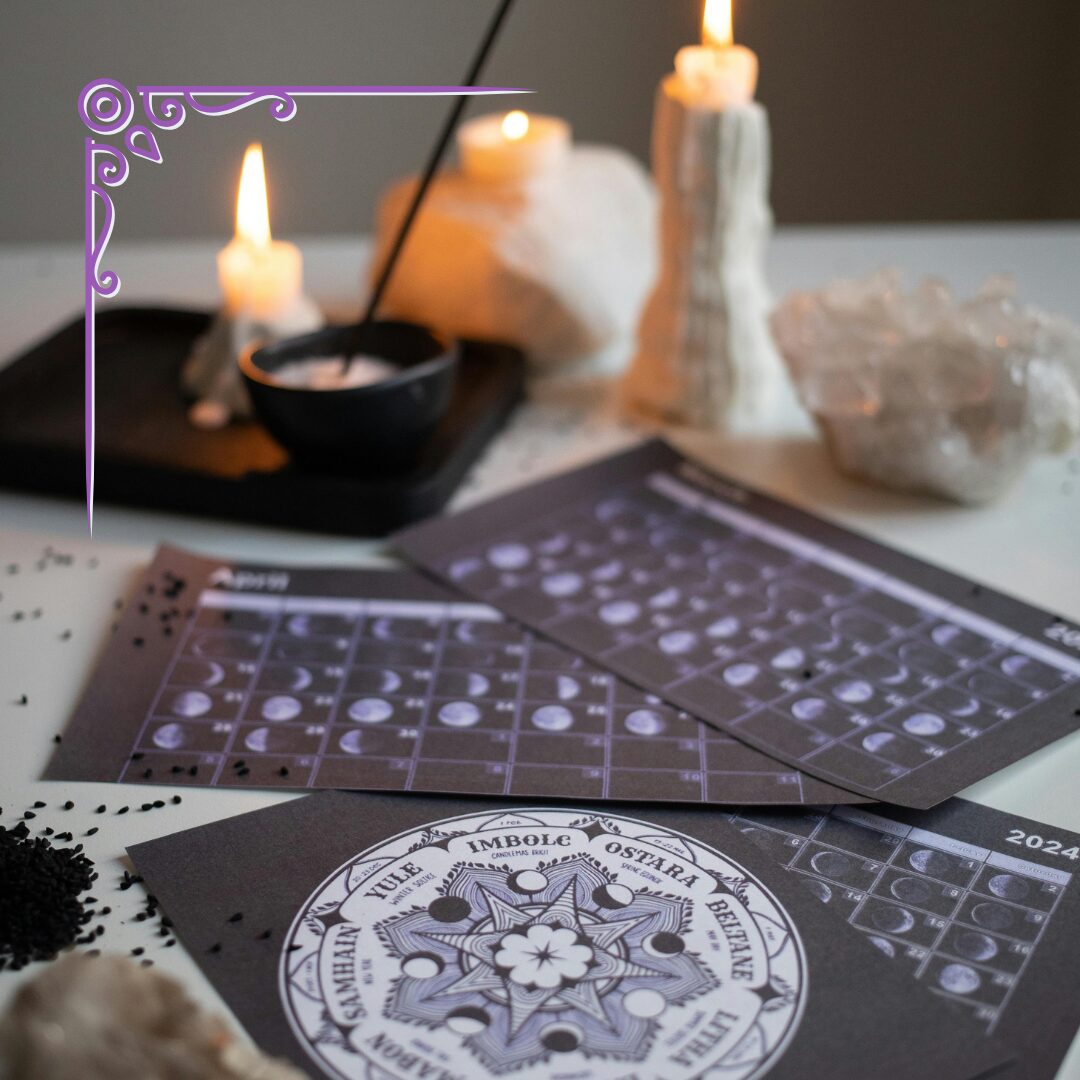
One of the funniest things about learning moon phases is that I was convinced everyone else had them memorized.
I’d see someone online say, “This is perfect for the waxing moon,” and think, Wait… how do you know that just by looking? Meanwhile I’d quietly check a moon phase app for about the tenth time that week.
It turns out that’s completely normal.
When you’re new to witchcraft, it’s easy to assume you’re supposed to learn all eight phases straight away, along with what they’re associated with and when you’re “meant” to do different kinds of magic. That’s a lot to ask of yourself when you’re still figuring out the basics.
The good news is that you don’t actually learn the moon by memorizing a chart. You learn it the same way you learn anything else that happens in nature: by noticing it over time.
If you happen to be outside in the evening, look up. Is the moon growing or shrinking compared to the last time you saw it? That’s enough. You don’t need to identify the exact phase every single time for it to become familiar.
And honestly, there’s nothing wrong with checking an app or a calendar. I still do sometimes. I’d rather spend five seconds looking something up than pretend I remember something I don’t.
After a while, you’ll start recognizing the pattern without really trying. Until then, let yourself be a beginner. The moon isn’t keeping score, and nobody’s handing out prizes for memorizing the lunar cycle.
Just keep looking up. The rest will come naturally. 🌙
What you’ll see:
The moon is hidden from view or nearly invisible.
Often associated with:
Beginnings, quiet reflection, intention setting, rest, possibility.
Good time to consider:
Planning a new project, journaling, healing work, setting goals, or simply taking a breath before the month begins to grow again.
Waxing Crescent
What you’ll see:
A thin crescent that becomes a little larger each evening.
Often associated with:
Growth, hope, momentum, taking the first steps.
Good time to consider:
Starting new habits, applying for opportunities, learning a new skill, prosperity work, or gradually building confidence.
First Quarter
What you’ll see:
Half of the moon appears illuminated.
Often associated with:
Action, commitment, overcoming obstacles, making decisions.
Good time to consider:
Turning plans into action. This is often where intentions become effort, and effort begins becoming reality.
Waxing Gibbous
What you’ll see:
Most of the moon is illuminated, but it is not yet full.
Often associated with:
Refinement, preparation, patience, adjustment.
Good time to consider:
Improving what you’ve already begun, studying, making small corrections, or strengthening work already in progress.
Waxing Phases
When She’s new, lay plans unseen,
Whispered dreams where none have been.
By silver light of waxing moon,
Clear intentions start to bloom.
Waning Phases
At Her height, let power rise,
Call your need out to the skies.
As She wanes, let go, let fade,
Cast off what dims or clouds the way.
Waning Gibbous
What you’ll see:
The moon begins shrinking after the Full Moon.
Often associated with:
Gratitude, reflection, sharing knowledge, generosity.
Good time to consider:
Looking back on recent work, giving thanks, teaching others, or considering what you’ve learned before moving on.
Last Quarter
What you’ll see:
Half of the moon is illuminated again, this time as it continues to shrink.
Often associated with:
Release, forgiveness, clearing away what no longer serves.
Good time to consider:
Breaking habits, decluttering, ending projects, resolving conflicts, or creating space for something new.
Waning Crescent
What you’ll see:
A thin crescent that grows smaller until the New Moon returns.
Often associated with:
Rest, restoration, dreaming, surrender, quiet healing.
Good time to consider:
Gentle meditation, dream work, self-care, and allowing yourself time to recover before beginning another cycle.
Do I Have to Wait for the "Right" Moon?
In a word? No.
The moon supports your intention; she doesn’t decide whether your magic succeeds. Need protection today? Cast the protection spell. Need healing now? Begin the healing work. Forgot yesterday was the Full Moon? The world keeps turning, and so does your practice.
Working with moon phases is much like choosing herbs, colours, crystals, or incense. They strengthen symbolism and help align your focus, but they don’t create the magic on their own.
Your intention, your effort, and your practice matter far more than catching the perfect date on the calendar.
The Moon Is a Tool, Not a Rule
It’s easy to get caught up trying to find the perfect time for every working. The right moon phase. The right day. The right correspondence. Those things can add meaning, but they are not the reason your practice works.
If something needs tending to, tend to it. If you need protection, healing, clarity, or a moment to reconnect, you do not have to wait for the calendar to give you permission.
The moon is a companion to your practice, not a gatekeeper.

Watching the Moon
The easiest way to understand moon phases isn’t by memorising charts.
It’s by looking up.
Spend a month simply noticing the moon whenever you happen to be outside. Is she growing or shrinking? Is she high overhead or just rising? Can you see how she changes from one week to the next?
You’ll begin recognising the rhythm before long.
The Current Lunar Phase
Moon Names Are Local Stories
You’ve probably heard names like Wolf Moon, Snow Moon, Harvest Moon, or Hunter’s Moon. They’re so common now that many people assume they’ve always been part of a single ancient tradition. The truth is a little more interesting.
The moon has worn many names, and those names changed from place to place. Indigenous communities across North America had their own lunar calendars tied to local plants, animals, weather patterns, and seasonal work. European farming traditions brought different names. Almanacs mixed them together, and modern Pagan and witchcraft communities inherited that blended collection.
That means a “Snow Moon” may make perfect sense in one region and feel completely disconnected from another. I’ve watched a February moon rise over dry grass and blooming weeds while a calendar insisted it was the Snow Moon. The moon wasn’t wrong; the name simply belonged to a different landscape.
Rather than worrying about whether you’re using the “correct” moon name, try asking a more local question: What is happening where I live right now? Which birds have returned? What plants are flowering? Is the air heavy with rain, sharp with frost, or carrying the first hint of autumn?
Traditional moon names can be beautiful, and learning their histories is worthwhile. Just remember that they began as observations of real places. Your own landscape is allowed to speak too. Sometimes the most meaningful moon name is the one that helps you notice the season unfolding outside your own door.

Walking With the Moon
Before there were calendars on kitchen walls or apps in our pockets, there were people who looked up and noticed patterns.
The moon grew. The moon shrank. The tides answered her. Plants answered her. People answered her in stories, songs, rituals, and quiet moments beneath the night sky.
Witchcraft begins the same way it always has: by paying attention.
You don’t need to arrange your entire life around the lunar calendar. You don’t need to postpone your practice until the next Full Moon, or worry that you’ve missed your chance because the moon is a day past her peak.
Simply begin noticing.
Over time, the phases will become familiar companions rather than confusing labels. You’ll find your own rhythm within the larger rhythm of the sky, and the moon will become what she has always been—not a rulebook, but a faithful reminder that every ending gives way to another beginning.