
Athame
Pronounced: AH-thuh-may
Also called: ritual knife, ritual blade
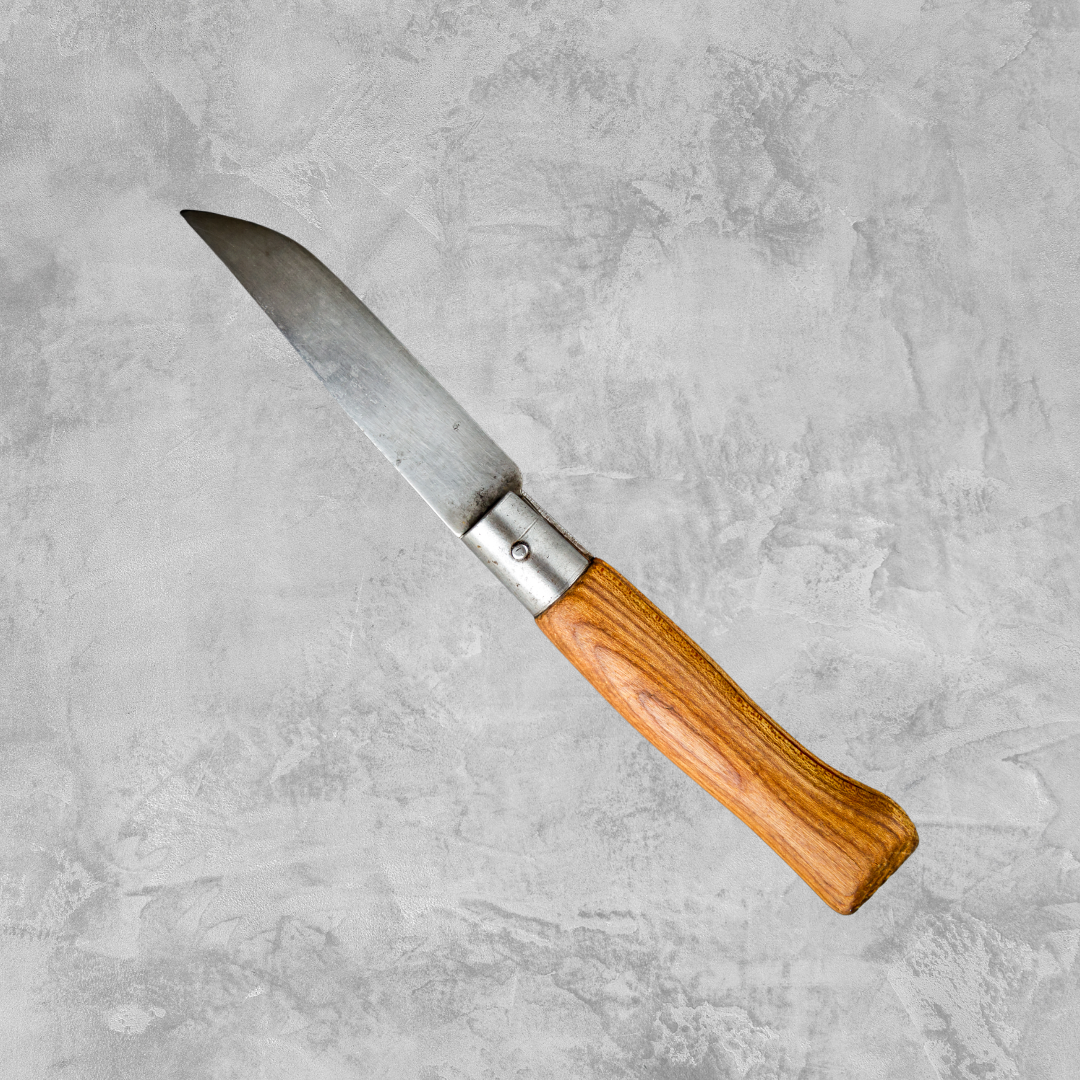
I have an old knife tucked away in my ritual things that has probably seen more of my practice than some of the people I’ve practiced with. It isn’t particularly impressive. The handle has been repaired, the blade has picked up a few scratches, and if you found it in an ordinary kitchen drawer, you probably wouldn’t give it a second glance.
It isn’t an athame, either.
That distinction is worth making, because an athame is one of those witchcraft words that can sound as though everyone ought to know exactly what it means. And then you discover that three traditions, four books, and the person sitting beside you at ritual have slightly different answers.
So let’s start with the simple part.
What Is an Athame?
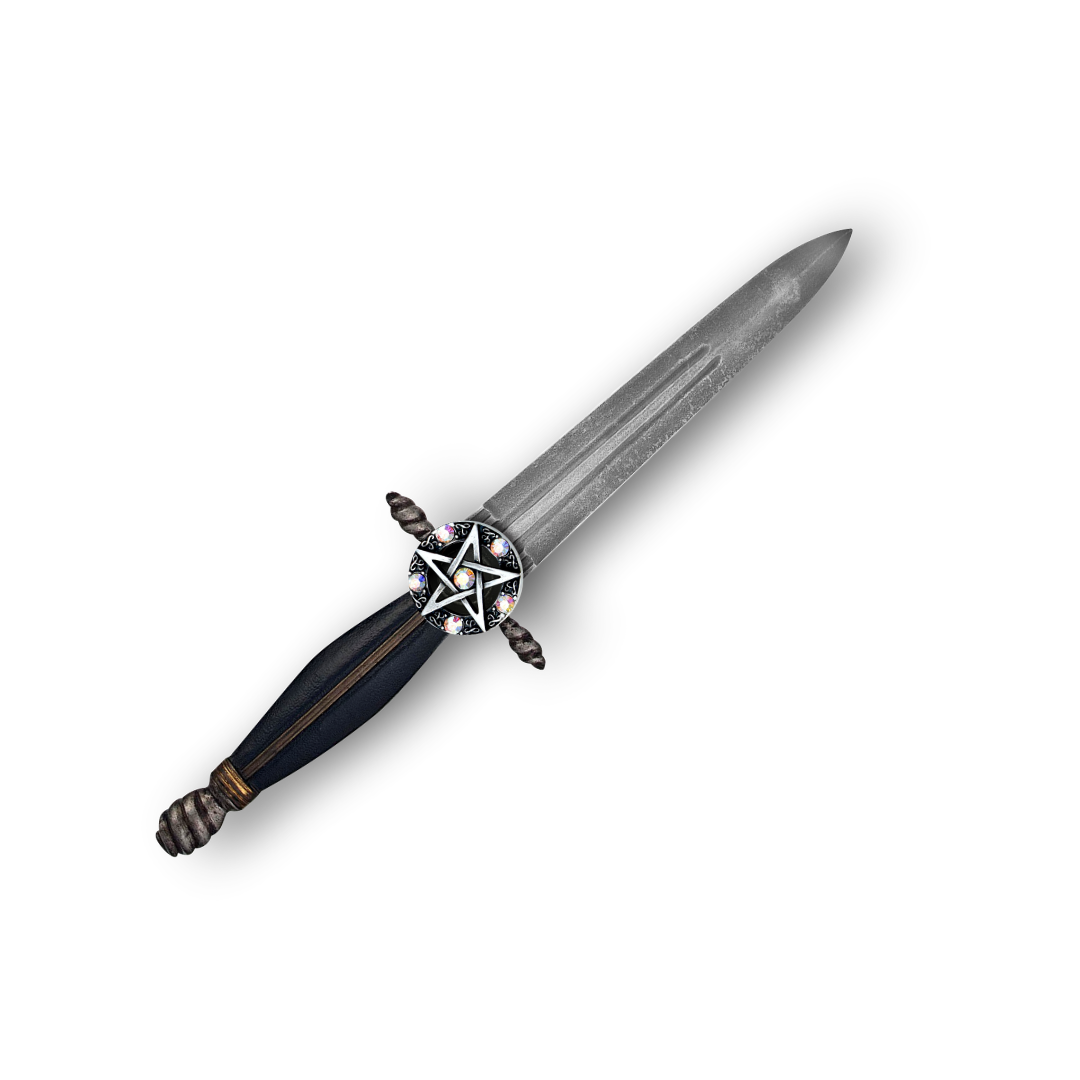
An athame is a ritual knife used in some Wiccan and witchcraft traditions. It is generally used for symbolic or magical purposes rather than ordinary cutting. An athame may be used to direct energy, cast or mark a circle, invoke or banish, or represent will and intention. In some traditions it has quite specific ceremonial functions; in others, its use is much less formal.
The familiar image is a double-edged knife, often with a dark handle. That image is common enough that it can look like a rule. It isn’t.
The appearance, symbolism, and even the exact role of an athame depend on the tradition and the practitioner. And, importantly, not every witch uses one.
Where Does the Word Come From?
This is where things get a little more interesting.
The word athame belongs to the history of modern witchcraft, particularly modern Wicca. It became associated with ritual practice through the twentieth-century development of Wiccan traditions, especially the work surrounding Gerald Gardner.
There were certainly magical and ceremonial knives before modern Wicca. Ritual blades have a much older history in European ceremonial magic and elsewhere.
That doesn’t mean those older knives were athames.
It’s an easy mistake to make because modern witchcraft has sometimes inherited the appearance or symbolism of older magical objects and then given them new names and uses. The history is more complicated than “ancient witches always had athames,” and honestly, I think the complicated version is much more interesting.
What Is an Athame Used For?
The short answer is: ritual work.
Depending on the tradition, an athame might be used to:
- direct or move energy
- cast or mark a ritual circle
- invoke or banish
- symbolize will or authority
- participate in ceremonial gestures
- represent particular elements or magical principles
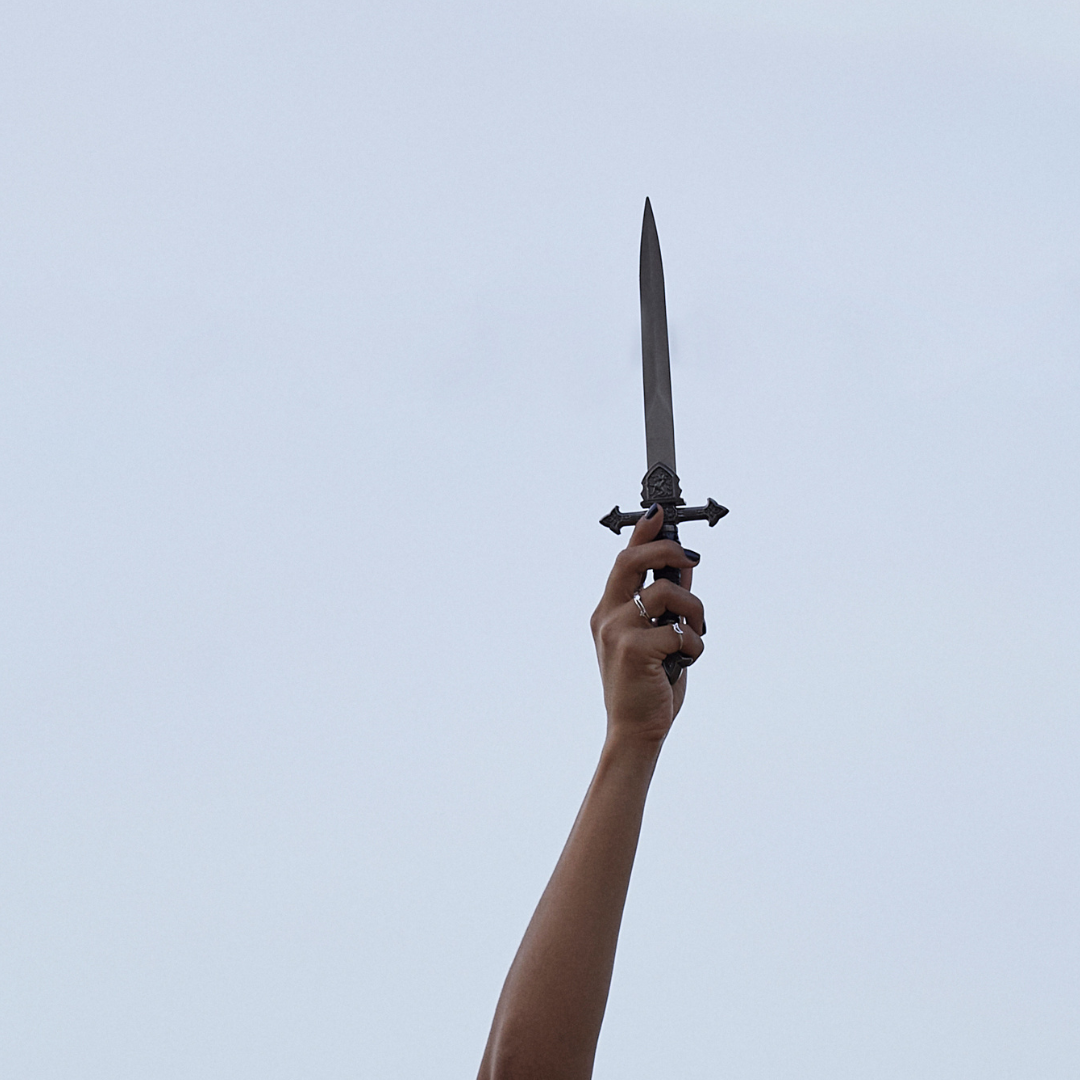
One of the most familiar uses is tracing the boundary of a circle. The knife isn’t physically cutting the ground. The gesture gives shape to the practitioner’s intention. Some traditions also use the athame in symbolic acts involving the elements, deity, or the relationship between magical and mundane space.
There isn’t a single approved list. That is something I would keep in mind whenever you encounter a book that says an athame is for one particular thing. It may be perfectly correct within that tradition. It just may not be universal.
Fire or Air?
Ah, here’s a good example. You will find traditions that associate the athame with Fire, and traditions that associate it with Air.
The Fire association can come through the forging of the blade, its active nature, and its connection with will, transformation, and directed power. Air associations often connect the blade with thought, intellect, communication, or the directing of will. I’ve always rather liked this disagreement because it reminds us that correspondences are not laws of physics.
If your tradition teaches that the athame belongs to Fire, that correspondence has meaning. If another tradition places it with Air, that doesn’t make the first one wrong. They’re working within different symbolic systems. The useful question is not “Which one is the real answer?” It’s “Which tradition is this answer coming from?”
Athame and Boline
These two are often mentioned together, and for good reason.
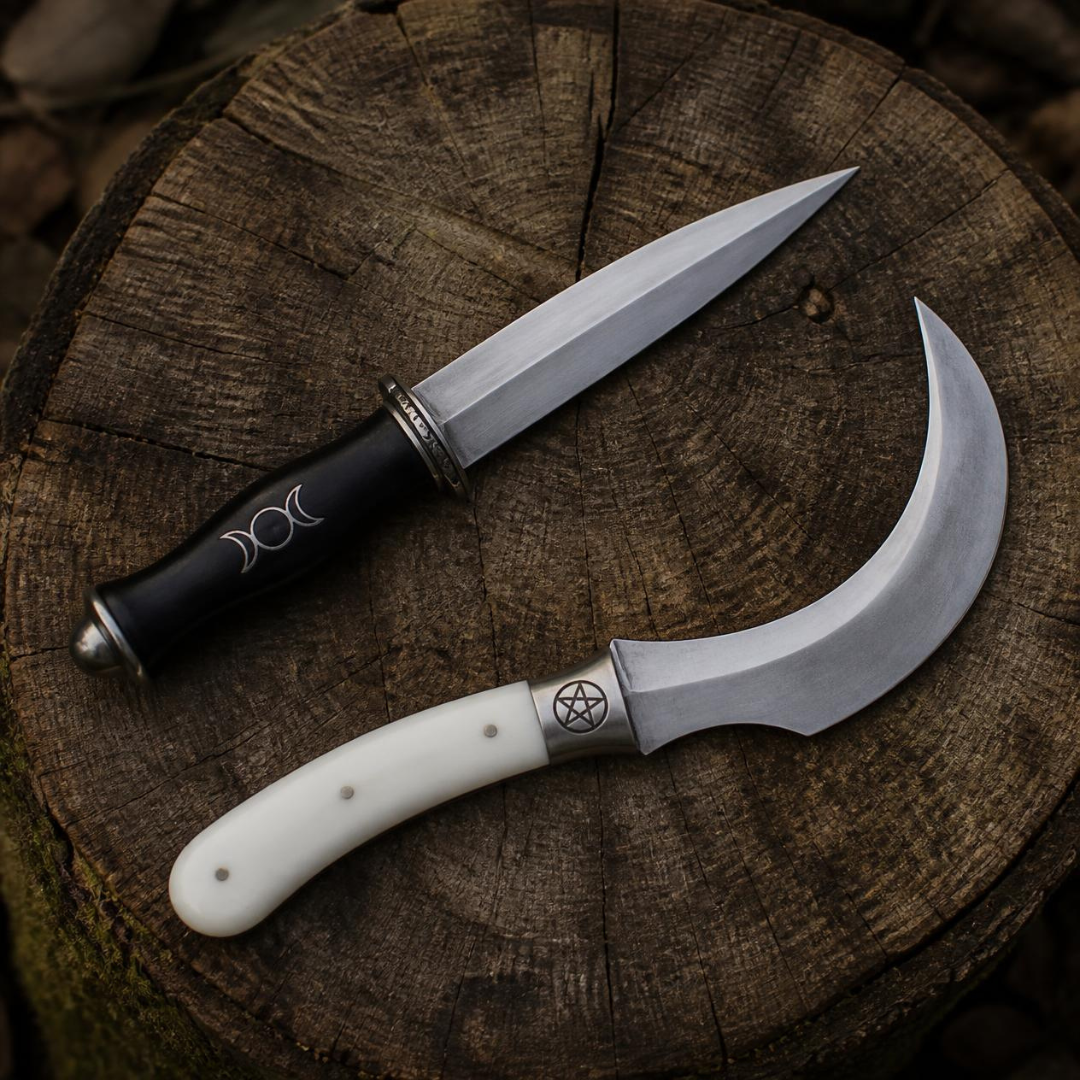
A boline is generally the practical knife: the one used for cutting herbs, cords, plants, or other physical materials associated with magical work.
The athame, by contrast, is generally a ritual blade.
That distinction is traditional rather than universal, and not every practitioner keeps both. Some people use an ordinary kitchen or garden knife when something actually needs cutting, which seems to me a perfectly sensible arrangement.
After all, the rosemary doesn’t care whether the knife has a fancy handle.
Does an Athame Have to Look a Certain Way?
No. The classic double-edged, dark-handled knife is certainly recognizable, but athames can be ornate or plain, handmade or purchased, inherited or newly acquired. Some practitioners care deeply about the appearance and construction of the blade. Others care much more about what the tool means within their practice.
I’ve seen enough well-loved magical objects over the years to be wary of deciding that something needs to look magical before it can have meaning. A tool gathers significance through use, memory, and relationship.
Sometimes that’s far more important than whether it came in a velvet-lined box.
Alternatives
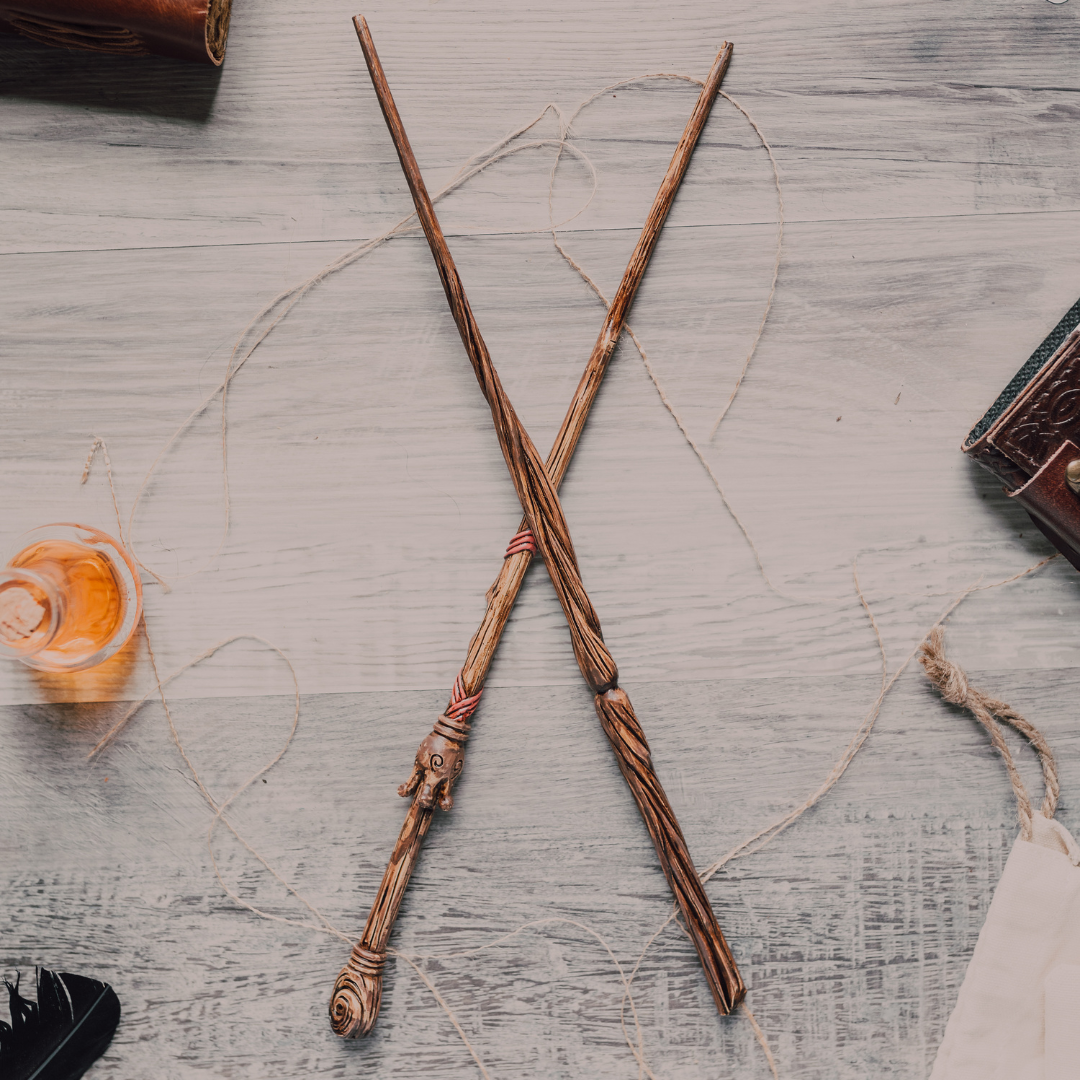
You don’t need an athame to practice witchcraft. A wand can serve some of the same functions, particularly when directing energy or marking a boundary. A hand or finger can make the same symbolic gesture. An ordinary knife may be appropriate in some practices. And sometimes no object is necessary at all.
If you’re learning a tradition that specifically calls for an athame, then learning what that tradition means by the tool is worthwhile.
But if you’re practicing on your own and wondering whether you have to acquire one before you’re allowed to begin, you can let that worry go.
The tool is there to support the work. It isn’t what makes the work possible.
We sometimes make things harder than they need to be. An athame can be beautiful. It can be meaningful. It can carry the memory of years of ritual, or of the person who gave it to you, or of the first time you used it and finally understood what everyone had been talking about.
But none of that makes owning one a measure of how serious a witch you are.
Some practitioners keep an athame for decades. Some use one occasionally. Some use a different tool. Some never have one at all. Those are all perfectly ordinary ways for a practice to develop. The important thing is to understand what the tool means in the tradition you’re working with, what you want it to mean in your own practice, and where those two things are different.