
Wolf Moon
First Full Moon after Yule; Usually falls in January
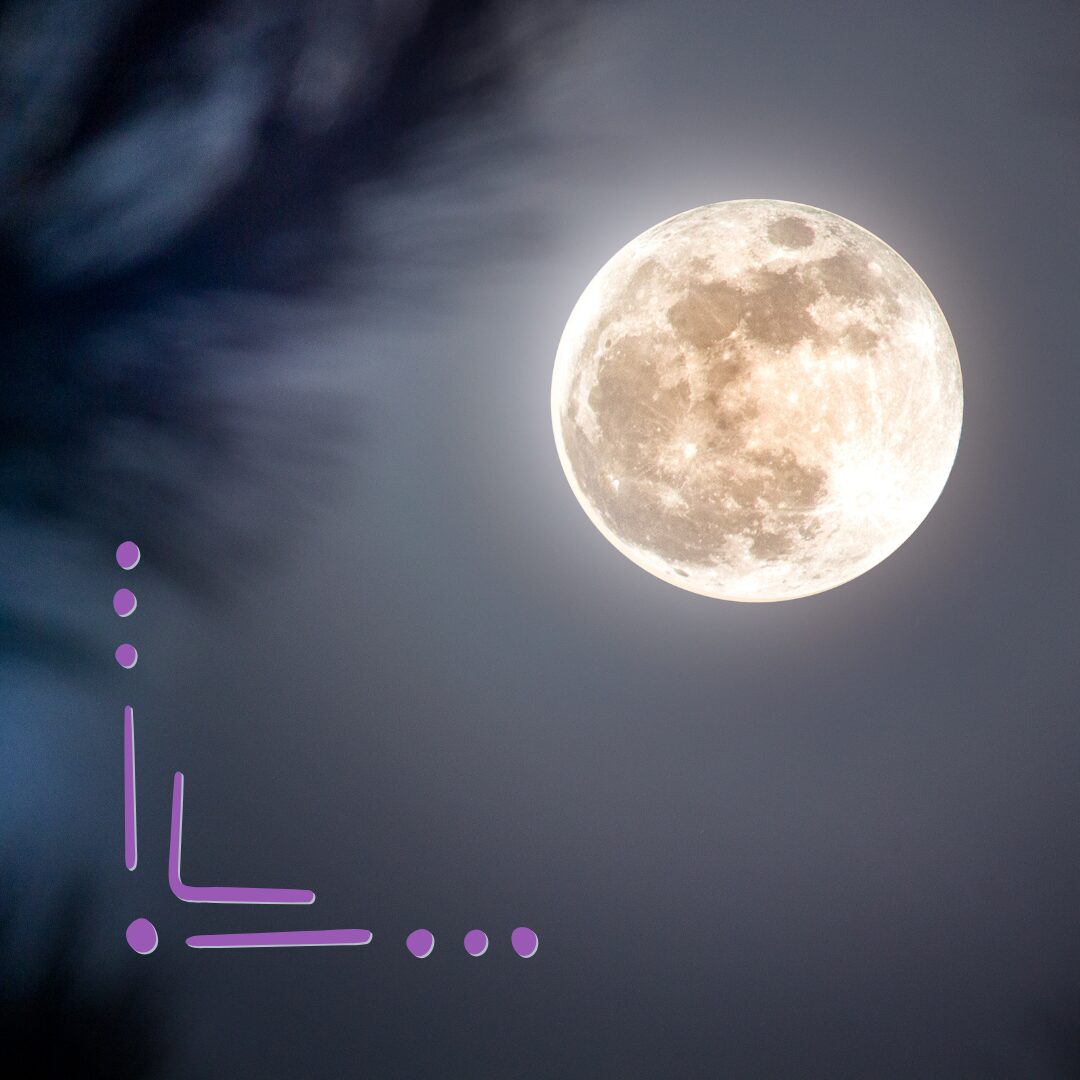
Last January, I hiked the trail behind my apartment right as dusk slid in—the air sharp with that metallic winter smell that always makes me breathe deeper. A full moon was rising through the bare fir branches, round and pale as bone. Somewhere in the ravine below, a dog barked once, then twice, and the sound echoed like it was searching for something. I felt that echo in my ribs. Winter asks strange questions: Who’s your pack? What keeps you moving when the light is scarce? I touched the cold trunk of that familiar bay tree, and kept walking.
What the Wolf Moon Is
The Wolf Moon is the first full moon of the calendar year—usually in January, when winter is still gripping the land with its cold, stubborn hands. The nights feel longer than they should, and mornings take their time warming up. You can hear the quiet differently in this season; it has weight, like snow even if you live somewhere it never falls. Traditionally, this moon marks a turning point between deep winter survival and the earliest hints of renewal. We’re not out of the cold yet, but something is shifting, subtle as the first bird call before sunrise. That’s the energy of the Wolf Moon—lean, instinctive, keen-eyed, listening for what’s ahead even when the landscape still sleeps.
Names, Origins & Cultural Context
“Wolf Moon” is the name most humans recognize, and it appears in various North American folk traditions, though the specifics vary from tribe to tribe. Wolves were often heard more clearly in the dead of winter, their calls traveling farther across frozen ground and quiet forests. The name reflects a seasonal observation, not a single unified story—something worth remembering when we talk about origins.
Anglo-Saxon sources sometimes used “Wulf-Monað” for January, a period associated with hardship and necessary hunting. Other traditions have their own names for this time of year—Ice Moon, Cold Moon, Center Moon—each reflecting the climate, landscape, and values of the communities that coined them.
It matters to hold this lightly. These names aren’t interchangeable decorations; they belong to specific cultures and relationships with place. If you use “Wolf Moon,” let it be because the energy speaks to you—and because you’re willing to learn where the term came from and where it didn’t. The land beneath your feet has stories to tell, and they might not sound like wolves at all.
Energy & Themes
The Wolf Moon carries the weight of winter survival—the kind you feel in your bones when you step out into cold air and the wind slices right through your jacket. It’s a moon of instinct and intuition, the place where inner wildness meets the need for connection. Wolves don’t survive winter alone; they run as a pack, each one aware of their role and their responsibilities.
This moon asks: Who stands with you? Who do you call when the night gets long? And on the other side—who are you willing to show up for? Community magic isn’t soft; it’s gritty, mutual, and forged in trust.
Protection is another theme. Not the flashy kind with dramatic gestures, but the everyday protection of tending the fire, checking in on your people, reinforcing your boundaries. The Wolf Moon teaches endurance—steady, deliberate, teeth-bared-when-necessary endurance. It’s about conserving energy for what matters, and letting go of the noise that drains you. Think long breaths, quiet vigilance, and intuition turned up to its highest tuning.


Working with Wolf Moon Energy
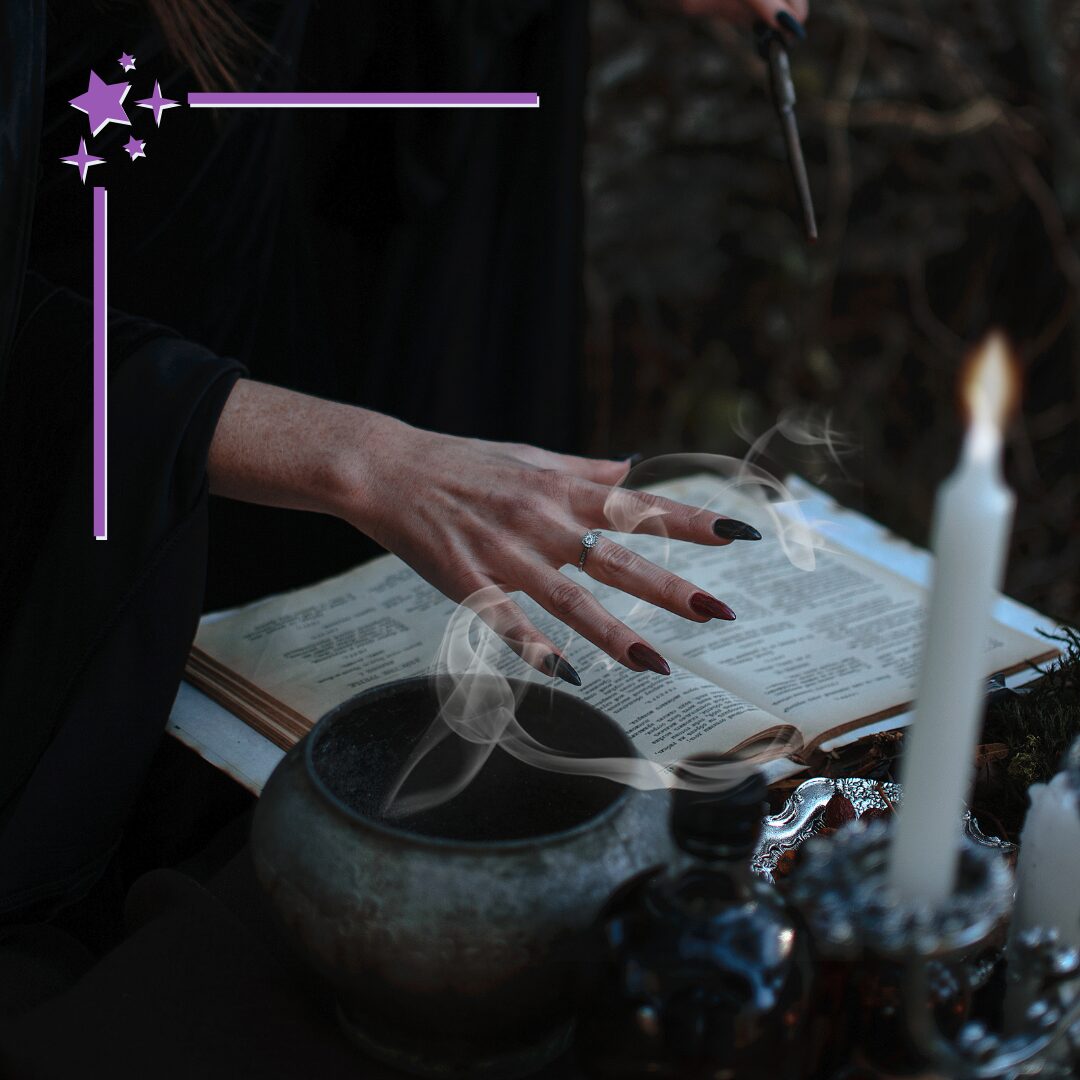
Wolf Moon magic is practical, instinctive, and rooted in survival skills—both emotional and spiritual. This is a good moon for boundary-setting spells, especially ones focused on protection without aggression. It’s also a strong time for divination around direction and purpose. Where are you heading, and why? What do you need to track more closely?
If you’re feeling disconnected, work with pack energy. That doesn’t mean forcing yourself into big social groups; sometimes a “pack” is just two friends who remember to text each other when the world feels heavy. Magic for strengthening those bonds fits the Wolf Moon beautifully.
If you’re working with deities, this moon pairs well with those who embody guardianship, winter, or liminal paths—but the land itself can be your guide too. Bare trees, cold soil, breath made visible in the air—all reminders that life persists even in scarcity.
This moon supports shadow work as well, but in a grounded, observational way. Not excavating old wounds, but noticing what fears sharpen your senses and what fears paralyze them. You don’t need permission from a corporation—or a coven—to work with this energy. Just your honesty and your willingness to listen inward.
Ritual Ideas
You might take a night walk under the full moon, letting the cold steady your breath and sharpen your awareness. Touch the bark of a winter tree and imagine its dormancy lending you strength. If you’re indoors, try a simple candle ritual: one flame for yourself, one for the people who form your pack, however you define it. Let the light speak for your connection.
Create a protection charm using materials from your local land—stones from a nearby trail, rosemary from your windowsill, or even a thread you braid while thinking of safety and endurance. Or try a quiet howl—yes, really. A soft one if neighbors are close. Something that acknowledges instinct, wildness, voice.
Spells
Screenshot Spell Jar
Breath Into Stillness
Wolf Moon Pack Bond Charm
Evergreen Bundle
Clear the House
Correspondences
Cardinal
Rosemary
White
Wolf
Amethyst
Juniper
The Wolf Moon reminds me that winter doesn’t demand perfection—it asks for presence. A steady pulse. A willingness to move through darkness with clear eyes and honest instincts. When I stand outside and feel the moonlight on cold skin, I remember that survival isn’t just clawing forward—it’s choosing who you walk beside.
Tonight, I’ll take a short hike and listen for the quiet between the wind gusts.