
Yuletide
Winter Solstice
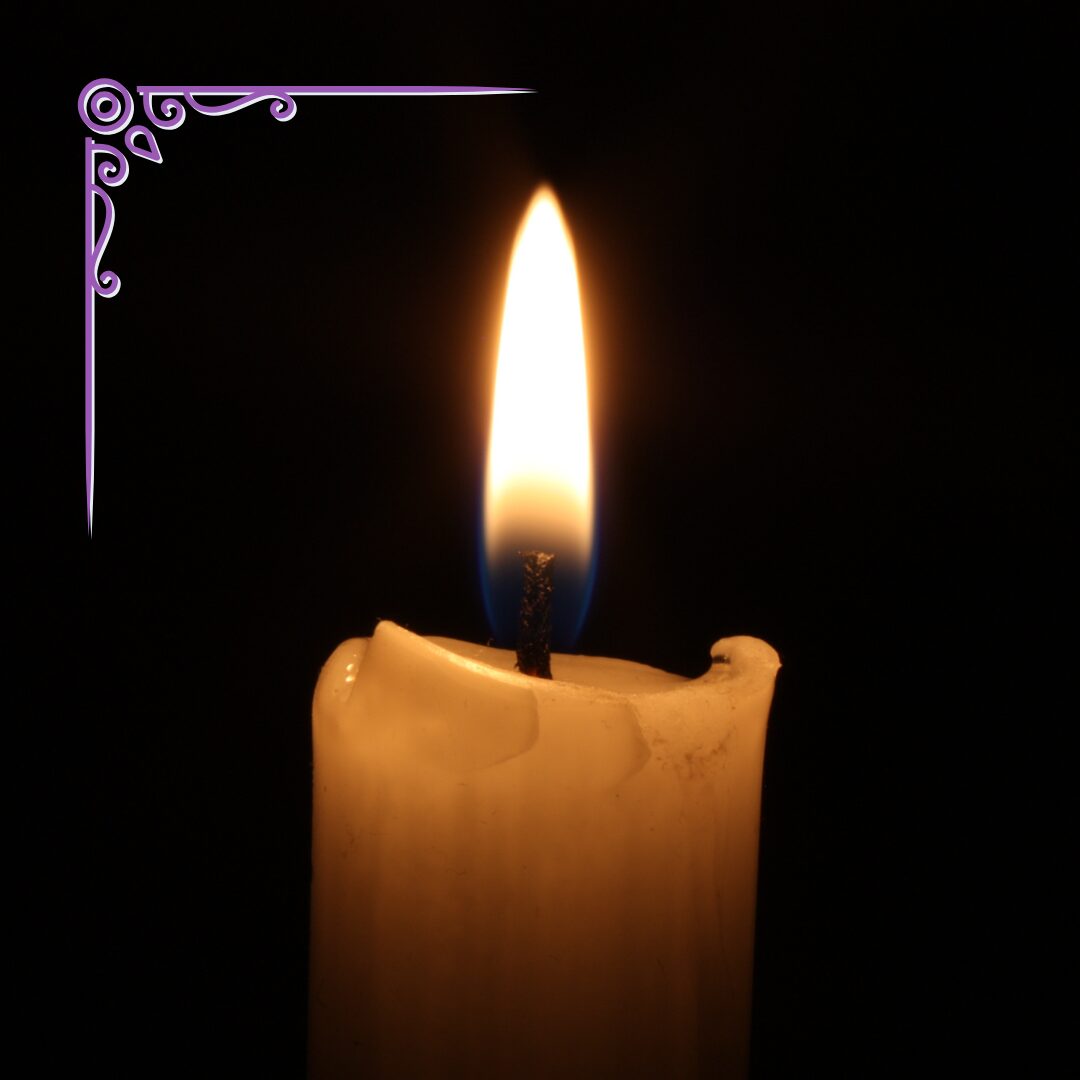
The first cold snap hit hard this year. I felt it in my knees as I gathered the last of the oregano and tucked the lavender under straw. The chickens complained as the wind rattled the coop, and even the old farmhouse seemed to hold its breath. Yet there was a quiet promise in the early dusk, the kind that settles over the land like a wool blanket. Every winter, I’m reminded that darkness is not the enemy. It’s the cradle. And Yule, dear heart, is the moment we remember that even in the longest night, light is already stirring.
What Is Yule?
Yule marks the winter solstice, the longest night and shortest day of the year. It’s the turning point when the sun stands still before inching its way back toward longer hours. In witchcraft, Yule celebrates this return of the light. It’s not instant brightness, but the first spark after deep darkness, much like striking a single match in a dark room. This sabbat honors rest, renewal, and trust in cycles that move slowly but surely. Many gather candles, evergreens, and warm food to welcome the rebirth of the sun and to remind the spirit that hope is a patient companion.
History and Mythology
When I think of Yule’s history, I picture all the fires that have burned on winter hillsides, long before any of us walked this earth. People have always honored the sun’s turning, because survival depended on it. The solstice marked the moment when the long slide into darkness finally stopped. Even now, when my radio hums softly in the farmhouse and electric lights chase away the gloom, I feel that old ancestral breath of relief. The sun has reached its lowest point. It will rise again.
Yule’s mythology is woven from many places, and none of them demand rigid belief. They give us stories to cradle the season. In Wiccan-influenced traditions, Yule marks the birth of the Sun Child or Solar God. The Goddess, weary but enduring, brings forth light in the heart of winter. This is not a literal event; it is a reminder that even in exhaustion, creativity and hope can still be born. Parents know this truth. So do gardeners who have pulled a stubborn carrot through frozen earth.
Then there is the tale of the Holly King and the Oak King, two faces of the cyclical year. All through autumn and early winter, the Holly King rules, crowned in berries and thorns. But at Yule the Oak King rises, stronger with each growing minute of daylight. Their battle is symbolic: the waxing light overtaking the waning, as it will later reverse at Litha. I have always liked this story for its balance. There is no permanent victory, only rhythm.
You will also find echoes of Yule in Norse midwinter rites, the Wild Hunt roaring across the sky, and in Roman Saturnalia with its feasts and gift-giving. Evergreens, sun wheels, hearth fires, and feasting appear again and again across cultures. These traditions were not identical, yet they rhyme with one another. All speak of a world where darkness is acknowledged but not feared.
In honoring Yule today, we join a long line of people who stood in winter’s deep stillness and chose to keep the fire burning. And truly, that is enough.

Themes and Symbolism
The heart of Yule lies in hope. Not a bright summertime hope, but the quiet kind that grows in shadow. This sabbat teaches that endings are not failures, and rest is not sloth. The land sleeps, the roots gather strength, and so must we. Light in darkness is the main symbol: candles, hearth fire, lanterns glowing against the night. Rebirth is another, whether you picture it as the sun child emerging or simply a shift inside yourself. Yule invites us to release old burdens, honor what has fallen away, and make space for the returning light. Even my goats seem to sense this turning; they get frisky after the solstice, as if they know something has tilted toward warmth again. Yule is a reminder that cycles are faithful, even when we feel uncertain. Renewal always follows rest.
Yule asks only that we pause and listen. In the quiet of the longest night, something begins to rise, soft as breath and certain as dawn. Trust the returning light wherever it appears, however small.