Snow Moon
Second Full Moon of Winter; Usually falls in February
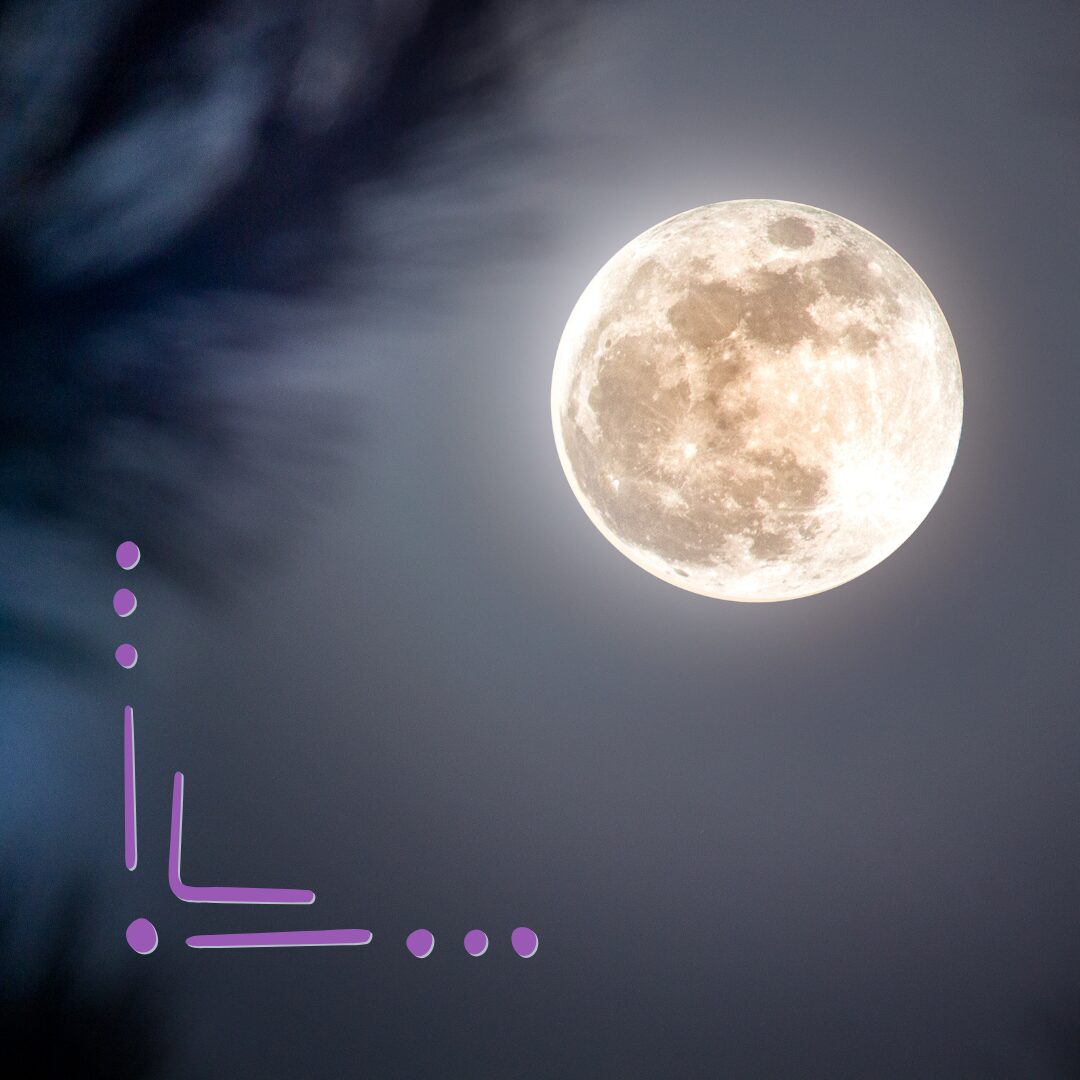
I went hiking one February, down the Columbia River Gorge. I remember how my fingers were half numb around my camera, but winter has this stripped-down beauty when you’re not trying to make it something else. That night the full moon rose, and I stood barefoot – if only for a few brief seconds – listening to the land beneath my feet. The sharp cold air, and the cloud of my breath under a moon bright enough to turn the night bright.
Winter can feel endless by then. The holidays are gone, the adrenaline has burned off, and what’s left is endurance. That night, under the Snow Moon, I wasn’t asking for transformation or manifestation. I was learning how to keep going.
What the Snow Moon Is
The Snow Moon is the second full moon of winter, usually landing in February, when cold has settled in and spring still feels theoretical. It’s called the Snow Moon because, well, February is when many regions see their heaviest snowfall. Historically, this was the month when hunting became difficult, food stores ran low, and survival meant endurance rather than abundance.
If you live somewhere without snow, the Snow Moon still speaks of scarcity, slowness, and internal reckoning. It’s deep winter energy—not the fresh darkness of the winter solstice, but the worn-down, are-we-done-yet exhaustion of late winter. The land is still sleeping.
This is a time of purification and quiet fortitude. The land isn’t dead—it’s conserving. Roots hold fast underground. Seeds wait. This moon asks: what are you doing in the dark that no one sees?
Names, Origins & Cultural Context
“Snow Moon” is a name commonly attributed to Indigenous North American seasonal calendars, referencing the practical reality of heavy snowfall and difficult travel. Other names across cultures echo similar themes: Hunger Moon, Storm Moon, Ice Moon. These weren’t poetic inventions—they were survival markers.
Anglo-Saxon traditions recognized this period as a lean time, when stores ran low and communities relied on careful planning and shared labor. Across northern climates, February moons carried warnings as much as wisdom. Pay attention. Conserve energy. Don’t waste what you’ll need later.
It’s important to hold these names with respect, not flatten them into aesthetic labels. They come from lived relationships with land and weather, from people who paid close attention because they had to. When we use them now, we’re stepping into that lineage of observation, not ownership.
Energy & Themes
This is a moon of cleansing, but not a gentle, airy, incense cleansing. It’s about stripping back what’s unnecessary, noticing what’s brittle, then protecting and tending what still has life in it. Introspection comes naturally here. The Snow Moon asks different questions than brighter seasons. What can you release without harm? What must you protect to survive? Where have you been spending energy that isn’t sustainable?
There’s also this subtle, patient thread of potential running through this Moon’s energy. Everything that will grow later is already present, just dormant. This moon asks you to trust that something is happening even when you can’t measure it yet.
This moon acknowledges scarcity, the very real possibility of not having enough. That can translate into gratitude practices, but it can also translate into mutual aid, into using your magic to support survival for everyone in your community, not just your own abundance manifestation.


Working with Snow Moon Energy
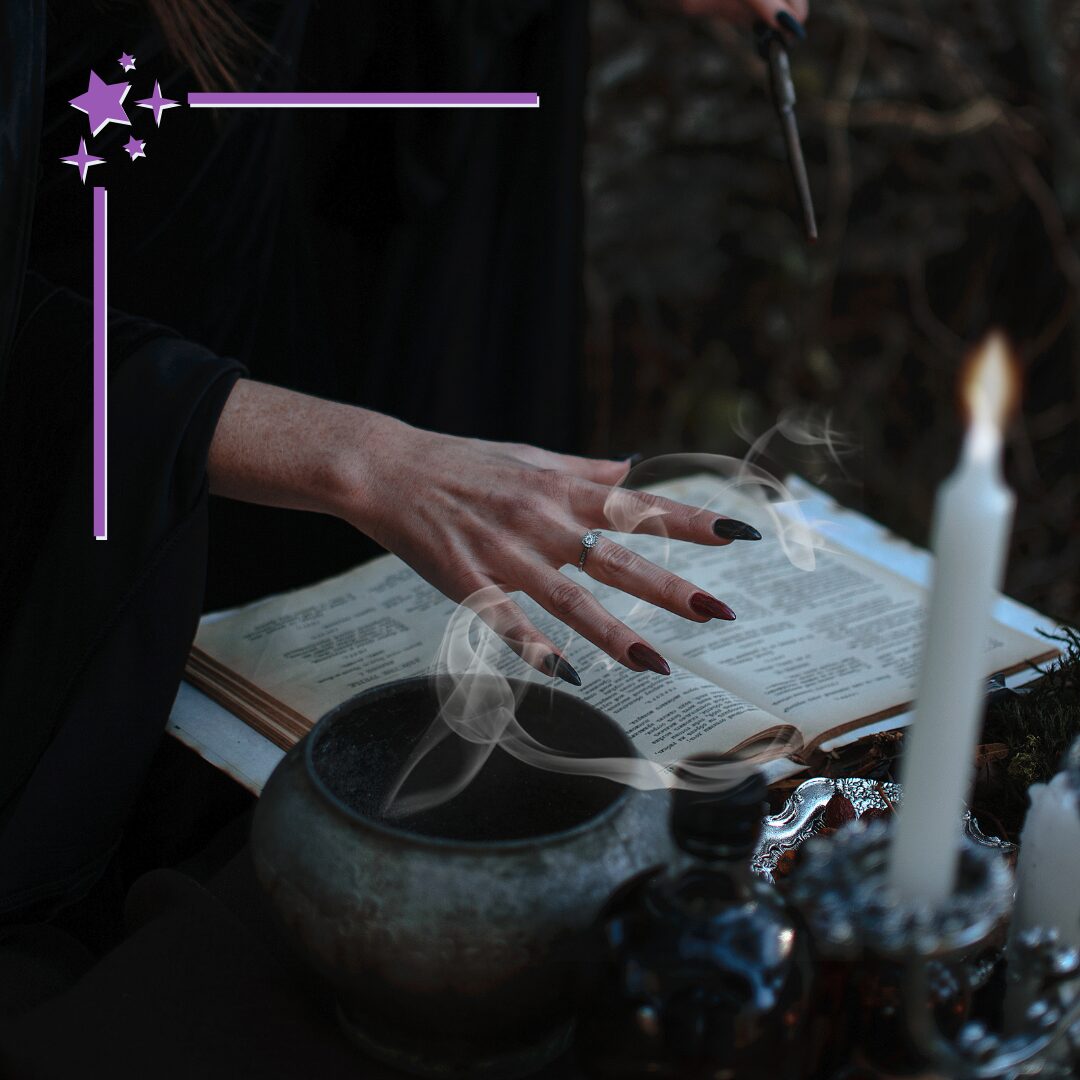
Snow Moon magic favors simplicity. This isn’t the time for elaborate rituals or trying to force manifestation. Cleansing, protection, releasing, shadow work all fit naturally here.
This is a good moon for spells that support resilience rather than expansion. Think: protection, rest, mental clarity, emotional steadiness. It’s also a powerful time to release habits or beliefs that drain you, especially ones tied to productivity or urgency.
Ritual Ideas
If there’s snow where you are, work with it directly. Melt it for purification water. Draw sigils in fresh snowfall. Cast circles on frozen ground. If you’re somewhere warm, don’t try to fake winter energy—work with whatever season you’re actually in. The Snow Moon might be February in Oregon, but if you’re in Australia, you’re in late summer. Work with your land, not someone else’s calendar.
Spells
Breath Into Stillness
Snow Moon Clarity Spell
Screenshot Spell Jar
Clear the House
Inner Stillness & Patience Spell
Correspondences
Amethyst
Cardinal
White
Juniper
Rosemary
The Snow Moon doesn’t ask you to bloom. It asks you to endure with awareness. To tend the small fires. To clear what no longer serves and trust what’s still alive beneath the cold.
When I step outside under this moon, I think about all the humans before us who stood in the same light, worrying about the same things—food, warmth, each other. The world kept turning. Spring came back.
Take this moon slowly. Let it teach you how to rest without guilt and prepare without panic. I’m pulling invasive blackberry from a restoration site, even though it’ll just grow back and I’ll have to do it again; but for now, I’m listening to the quiet.