Let’s start with the question that probably brought you here: can anyone become a witch? The short answer is yes. And honestly? That answer surprises a lot of people because there’s a pretty common idea that witches are somehow born into it, like you need a magical family, a special gift, or someone to personally show you the way in.
Movies and stories definitely haven’t helped with that. 😂 They love the dramatic version where someone discovers they’re secretly magical and suddenly has all the answers. Real life is usually much less like that.
For most people, it starts with curiosity. Maybe you saw a tarot reading that made you stop scrolling, or you’ve always loved mythology, folklore, nature, old stories, or anything that feels a little bit magical. Maybe you started wondering why people use candles, herbs, symbols, and rituals — or maybe you watched one witchy video online and your algorithm immediately decided you needed seventeen videos about moon water before breakfast. (It happens. 😂)
That little spark of “wait… tell me more” is often where the path begins. Not because you already know what you’re doing or have everything figured out, but because something caught your attention and made you want to learn.
"But... am I allowed?"
I think this is probably the question hiding underneath.
Not just, “Can I become a witch?” but, “Am I actually allowed to?”
Because when you first start exploring witchcraft, it can feel like everyone else already knows something you don’t. There are traditions you’ve never heard of, words you’ve never seen before, and books people casually recommend like everyone else somehow got the starter guide that you missed.
Then you go online and see people with beautiful altars, carefully arranged crystals, perfectly chosen tools, and the confidence of someone who definitely remembered to check the moon phase before doing anything. Meanwhile, the rest of us are just trying to remember where we put our favorite tarot deck. 😂
It’s really easy to look at people who have been practicing for years and assume you need to become more prepared before you’re allowed to begin. But nobody starts out knowing every symbol, every tradition, or exactly what their practice is supposed to look like. Most people start by following the thing that made them curious in the first place — they read, ask questions, try things, and slowly figure out what feels meaningful to them.
Sometimes something clicks immediately. Sometimes something you thought you would love turns out not to be your thing at all. That’s not doing it wrong. That’s just how people learn.

Is Witchcraft Just for Women?
This is a fair question, especially if most of what you’ve seen about witchcraft has been goddess imagery or women’s circles. Those traditions are meaningful to many practitioners, and those communities often exist for important reasons.
But witchcraft itself is not only for women.
Men practice witchcraft too. Some come to it through a connection with nature, some through ritual and protection, and some simply because they feel drawn to explore a different way of understanding themselves and the world around them.
Being a witch doesn’t require you to fit a certain picture. You don’t need a particular look, personality, or background, and you don’t need to become someone else before you begin. What matters is the relationship you build with your practice — learning, exploring, and approaching the path with curiosity, respect, and a willingness to do the work.


So... what actually makes someone a witch?
This is where things get wonderfully complicated. If you asked ten witches what being a witch means, you’d probably get somewhere between ten and twelve answers. 😂 It sounds confusing at first, but honestly, that variety is one of the things that makes witchcraft so interesting.
There isn’t one single picture of what a witch is supposed to look like, and there isn’t one exact way everyone’s practice has to be built. For some people, witchcraft is deeply spiritual. For others, it’s a way of slowing down, paying attention, and finding meaning in everyday life. Some people work with gods or spirits, while others focus on plants, symbols, cards, meditation, rituals, or practices that help them connect with themselves and the world around them.
Some witches have a very structured practice with routines, traditions, and specific methods they follow. Others have something quieter and more personal. And yes, some people have beautiful crystals and candles because they hold meaning for them… and also because pretty things are fun. Both can be true. 😂

What about the aesthetic?
Okay, so let’s talk about this one, because I think a lot of beginners quietly wonder about it.
Maybe what first pulled you toward witchcraft was the candles, the journals, the jewelry, the artwork, the beautiful altars, or just that cozy magical feeling that makes you want to learn more. Maybe you saw something that looked beautiful and thought, “Wait… what is this?” and that curiosity led you somewhere deeper.
Then, somewhere along the way, you might run into someone online saying, “That’s not real witchcraft.”
Oof.
Because when you’re still figuring out where you fit, it can be really discouraging to hear that the things that made you curious somehow don’t count.
Enjoying beautiful things doesn’t make your interest fake.
Sometimes the aesthetic is the doorway. A beautiful tarot deck might be what makes you curious enough to start learning tarot. A candle might become part of a meaningful ritual. A journal might become the place where you start noticing your own thoughts, feelings, and patterns in a way you never had before.
The pretty things can absolutely matter. They just aren’t the whole house.
The tools, decorations, and aesthetic are the things that surround your practice. The practice itself is the meaning you create, the things you learn, and the relationship you build with what you’re exploring.
If Tools Aren't the Magic, Why Use Them?
Have you ever noticed how some everyday objects become more than just… things?
I’ve got a wooden spoon that’s older than one of my kids. I could replace it tomorrow for a few dollars, but I don’t want to. It’s been with me through holiday dinners, rushed weeknight meals, birthday cakes, and more pots of soup than I could count. It isn’t magical because it’s made of special wood. It’s meaningful because of the life we’ve shared together.
That’s how a lot of witches feel about their tools.
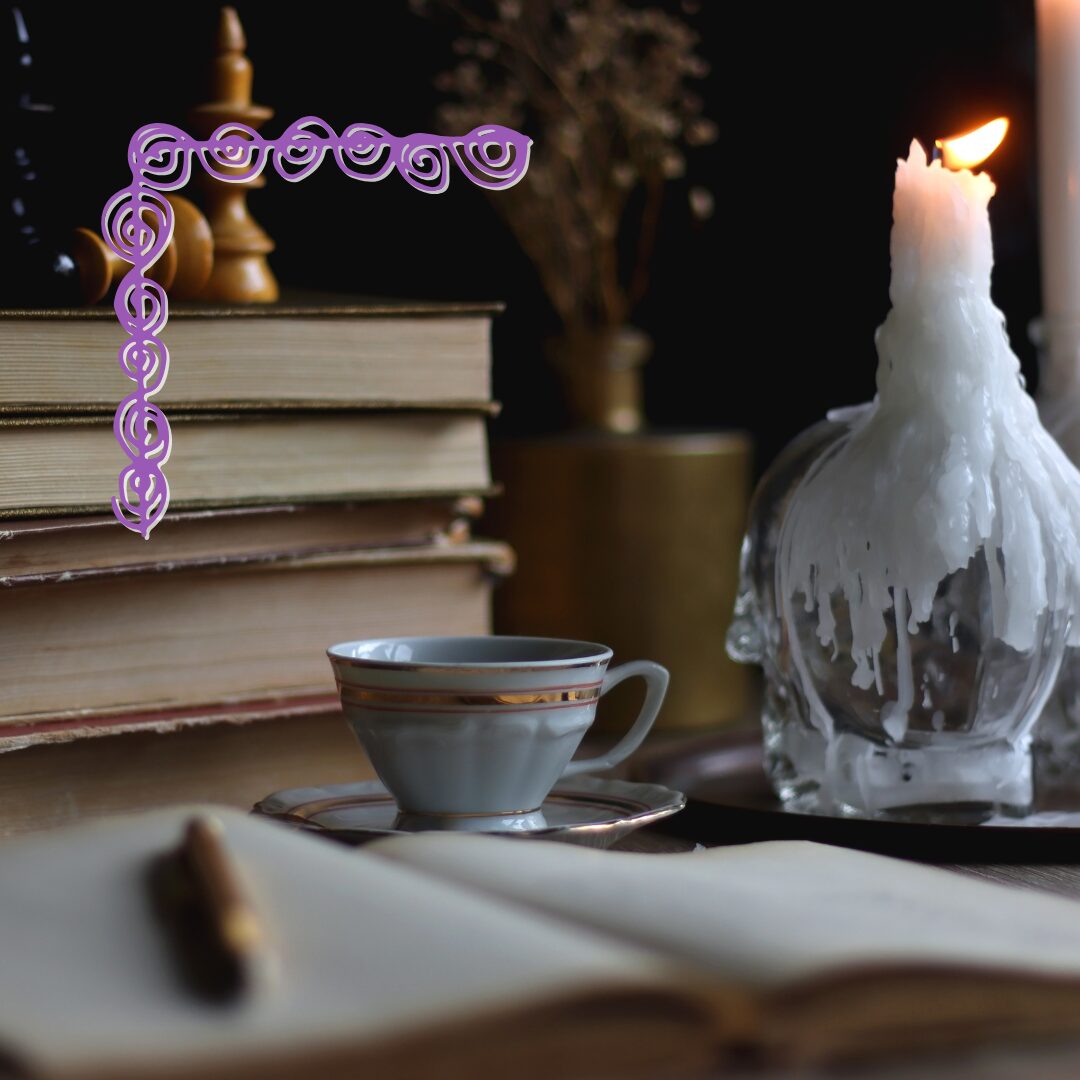
A candle isn’t powerful simply because it’s a candle. A journal isn’t important because someone called it a Book of Shadows. A favorite mug, a well-used deck of cards, or a little bowl for holding herbs becomes meaningful because you use it with purpose, over and over again. The relationship grows first. The object simply comes along for the journey.
That’s why you’ll often see witches with collections that have grown over the years. Those shelves aren’t a checklist of things you’re expected to own. They’re more like a family photo album. Every item has a story, a memory, or a reason it stayed.
And honestly? Some things don’t stay. You’ll probably buy something because it catches your eye, discover it isn’t really your style, and pass it along or tuck it into a drawer. We’ve all done that.
So when you see someone’s beautiful altar online, try not to think, “I need all of that before I can begin.”
Instead, remember that you’re looking at the result of someone’s journey, not the starting line.
Do I Need All This?
One of the easiest traps to fall into when you’re starting out is thinking you need the right things before you can begin. You see beautiful altars, carefully chosen tools, and collections built over years, and it can feel like everyone else started with something you don’t have.
They didn’t.
And if you’ve already picked up a few things because they caught your attention, that’s okay. A candle, a tarot deck, a journal, or a crystal might be the thing that made you curious enough to start exploring. There’s nothing wrong with that.
Tools can be meaningful. They can help you focus, create a ritual, or connect with something important to you. But they are there to support your practice, not replace it. A shelf full of supplies doesn’t matter much if you never take the time to learn, reflect, and actually use them.
Start with what interests you. Learn why something is used before deciding how it fits into your practice. Over time, you’ll figure out which tools are useful, which ones simply make you happy, and which ones you never needed in the first place.
You don’t need a perfect setup before you begin. You just need to begin.
Do I need someone to teach me?
This is one of those questions that makes a lot of sense when you’re first starting to look into witchcraft. When you see people who have been practicing for years, it’s really easy to feel like there must be some step you’re missing — like someone needs to show you the right way, explain the rules, or tell you when you’re finally ready to begin.
The answer is… sometimes.
For some traditions, learning from a teacher, joining a coven, or being part of a formal group is an important part of the practice. Having someone experienced to learn from, ask questions, and share the journey with can be a really meaningful thing. For people who follow those paths, that guidance is part of what makes their practice feel connected and supported.
But that isn’t the only way people learn. Many witches are solitary practitioners, which simply means they don’t belong to a formal group or tradition. It doesn’t mean they never learn from anyone else or that they’re completely on their own. Books, conversations, online communities, classes, and personal experience can all be part of how someone develops their practice.
And honestly? A lot of learning happens by trying something, realizing it doesn’t quite fit, and adjusting as you go. That isn’t doing it wrong — that’s how people learn. Nobody picks up a new hobby, skill, or interest and understands everything immediately, and witchcraft is no different.
The things that interest you may change as you spend more time exploring. You might start out fascinated by tarot and later find yourself drawn toward something else entirely. You might expect one part of witchcraft to become your favorite and discover that something completely unexpected ends up feeling much more meaningful.
That’s normal. Your practice is allowed to grow with you.
Also, a small confession from the “still figuring it out” corner of witchcraft: sometimes you can spend a lot of time trying to create a deep, meaningful moment and then realize you’ve mostly been staring at a pretty candle because the flame was doing that little flickery thing. It happens. 😂
You don’t have to have your entire path mapped out before you begin walking it. Most people don’t start with every answer already figured out, and that’s okay. The learning is part of the journey.
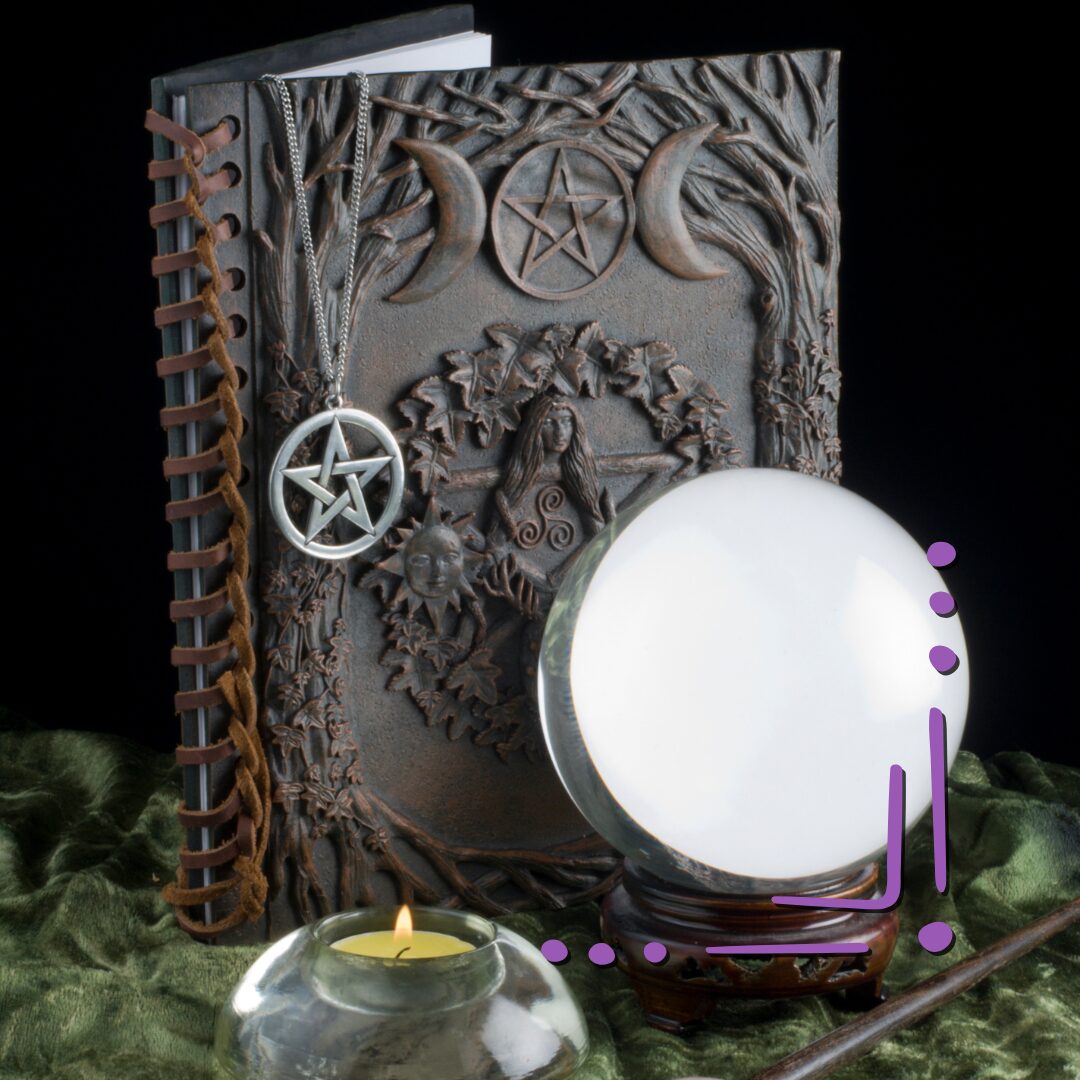

Why do some witches learn from teachers?
Can I encourage you to build one habit early?
Whenever you discover a new practice that really catches your attention, don’t just ask, “How do I do this?” Ask, “Where did this come from?”
Every tradition has a history. It grew out of real people, in real places, for real reasons. Learning that story doesn’t take anything away from the practice—it usually makes it more meaningful.
That’s one reason some traditions put so much value on learning from a teacher. They’re not just showing you what to do—they’re sharing the story that goes with it.
And if you’re learning from books or on your own, that’s perfectly fine. Just don’t skip over the “why” while you’re looking for the “how.” You might find the story stays with you long after you’ve learned the steps.
What do Wiccans actually do?
Okay, so this is where things can get a little confusing, because the words *witchcraft* and *Wicca* get used together a lot online. They are connected, but they aren’t the same thing, and figuring out the difference can take a little time when you’re first learning.
Wicca is a religion, and many Wiccans include witchcraft as part of their spiritual practice. But many witches are not Wiccan, and not every Wiccan practices in exactly the same way. Some Wiccans celebrate seasonal festivals, perform rituals, honor deities, meditate, work with symbolism, or focus on their relationship with nature, while others may have different traditions, beliefs, or ways of connecting with their spirituality.
That variety can feel confusing at first, especially when you’re trying to understand a whole new world of words, ideas, and practices all at once. But honestly? That’s true of most religions and spiritual paths. People are complicated, and the ways they connect with what matters to them usually are too.
You don’t need to decide immediately whether Wicca is your path. Taking time to learn, ask questions, and explore what feels meaningful to you is a perfectly valid part of the process. You’re allowed to be curious before you have all the answers.
Starting your journey
If there’s one thing I hope you take away from this, it’s that you don’t have to begin with everything figured out. A lot of beginners look online and see beautiful altars, huge collections of books, carefully planned rituals, and people who seem like they’ve been doing this forever. It’s really easy to compare your beginning to someone else’s years of experience.
Also, please remember that those beautiful altar photos usually don’t include the coffee cup sitting just outside the frame, the random receipts that somehow ended up nearby, or the five things that got moved because they ruined the picture. 😂 Everyone’s practice has a behind-the-scenes, even if the internet doesn’t always show it.
You don’t need every tool, every book, or a perfect understanding of every symbol, correspondence, or moon phase before you’re allowed to explore. Start with the thing that made you curious in the first place, then follow that curiosity. Read about it, learn where practices come from and why they matter, ask questions, and be respectful when exploring traditions and cultures that are not your own.
Your practice will probably change as you change, and that’s not a problem — it’s actually one of the best parts. The person who begins exploring witchcraft today probably won’t have the exact same interests, beliefs, or practices years from now, because learning changes us. That’s what learning is supposed to do.
You don’t become a witch because you bought the right things, memorized the right words, or passed some invisible test. You become a witch by learning, exploring, and building a practice that has meaning for you.
And if you’ve been waiting until you feel completely ready? Honestly, you might be waiting forever. Nobody begins with every answer. Most people begin with a question, and then they follow where that question leads.
Stay witchy 🌙🪄
