
Imbolc
Early February / Early August
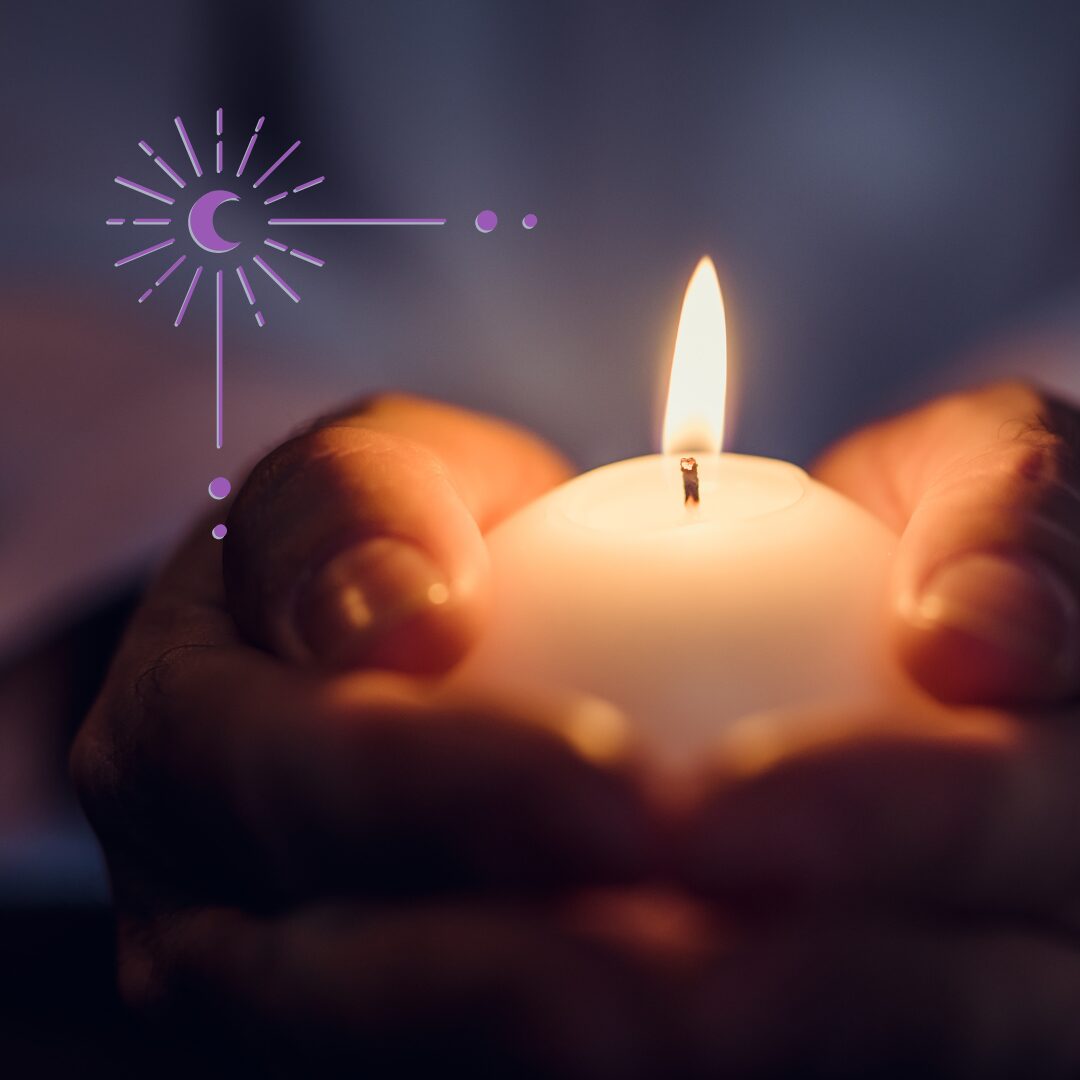
There’s a moment in late winter when something shifts. It isn’t obvious, but there’s a morning when I step outside and breathe deeply and the air tastes different, there’s an added warmth in the sunlight. It lasts a few minutes longer each day. The chickens know it before I do; they’ve started their soft muttering again, anticipating the return of longer days.
Imbolc is the festival of first light. Not spring – don’t mistake it for spring. It is not the promise of spring fulfilled, but the knowing that the promise exists at all. This sabbat asks us to tend the flame, not rush it. Bide your time, yes, but do not sleep through the moment. This is the festival of noticing. I’ve marked Imbolc for decades, sometimes with ceremony, sometimes with nothing more than a candle. And just when it seems that winter will last forever, the wheel turns. The light returns. We cross the threshold.
What Is Imbolc?
Imbolc falls midway between the winter solstice and the spring equinox, traditionally around February 1st or 2nd. It is one of the four fire festivals in the Wheel of the Year, although you wouldn’t know it from the weather in most places. At its heart, Imbolc honors the returning light, the first stirrings beneath frozen ground, and the quiet labor of preparation.
This sabbat isn’t about what’s visible on the surface. It’s about what’s happening beneath – seeds swelling in frozen soil, sap beginning to move in trees, the return of fertility to the land. In agricultural terms, this was when ewes began lactating before lambing season, hence the name: Imbolc likely derives from “i mbolg,” Old Irish for “in the belly.” Imbolc is a time for cleansing, for setting intentions that are still tender, and for tending what must grow slowly.
Gone are the days when winter ruled unchallenged, but spring has not yet arrived. We stand at a threshold here, between the death of winter and the birth of spring. Neither fully in one season nor the other. This in-between place, this liminal space, is where Imbolc’s power lives.
History and Mythology
Imbolc has deep roots in pre-Christian Ireland and the wider Celtic world. It is one of the four Gaelic seasonal festivals. Imbolc became closely associated with Brigid, a goddess of fire, poetry, healing, and smithcraft. Some traditions hold that Brigid was born at sunrise, standing on a threshold with one foot inside and one foot outside, fed on milk from an Otherworldly cow – a fitting origin for a goddess of liminal spaces and thresholds. Later, she was carried forward as Saint Brigid, a rare continuity that speaks to her enduring importance, and the day was Christianized as St. Brigid’s Day. She walks still through this holiday whether the church likes it or not.
At Imbolc, traditional practice involved leaving offerings for Brigid – food, drink, cloth strips tied to trees. People made Brigid’s crosses from rushes, wove corn dollies, kept candles burning through the night. Brigid is a threshold goddess herself, standing between hearth and forge, inspiration and labor. She watches over the liminal spaces where one thing becomes another. Myth tells of her as a bringer of fertility and protection, and in some traditions, as a guardian of the sacred flame. Some mark this as the birth of the sun child in the cycle of God and Goddess, the young light growing stronger day by day.

Themes and Symbolism
Imbolc is shaped by themes of purification, initiation, and inspiration. After the darkness of winter, we clean house – literally and metaphorically. This is a time for clearing out what’s stagnant, purifying our spaces and ourselves, preparing for the growth to come.
Fire and water play central roles, seemingly contradictory but deeply connected. Fire for the strengthening sun and inner clarity, transformation and inspiration. Water for cleansing, washing away what winter has left behind and preparing space for growth, for the holy wells associated with Brigid. Both elements purify. Both transform.
Initiation runs through this sabbat like an underground river. Imbolc marks beginnings – not the showy, energetic beginnings of spring, but the quiet, internal kind. Dedications and self-initiations often happen at Imbolc. It’s threshold work, crossing from one state into another. Starting something new requires ending something old first.
This sabbat is neither winter nor spring, neither dormancy nor growth. Imbolc teaches us that beginnings are often quiet and easily overlooked. This is an excellent time for divination, for beginning creative projects, for asking what wants to be born through you in the coming season. I’ve learned that forcing outcomes at this time leads only to frustration. Better to tend the soil, sharpen the tools, and trust the rhythm.
The themes are gentle but firm: prepare yourself, purify your space, tend the small flames, honor the returning light. Spring isn’t here yet, but it’s coming. Are you ready?
Imbolc does not shout. It hums, low and steady, like the wind through bare branches. It asks you to notice what is beginning, and trust the small signs. Believe in the returning light even when cold surrounds you. Tend the tiny flames. Purify yourself and your space. Stand in the threshold between what was and what will be, and honor that in-between place as sacred.
Some years, I mark Imbolc with ceremony. Other years, I simply stand in the garden and breathe. Both are enough. You’ve made it through the darkest part of winter. You are not alone, and the light is returning, whether you rush to meet it or quietly open the door.