
Sacred Spaces and Spellcraft
A Practical Altar and Tools Guide
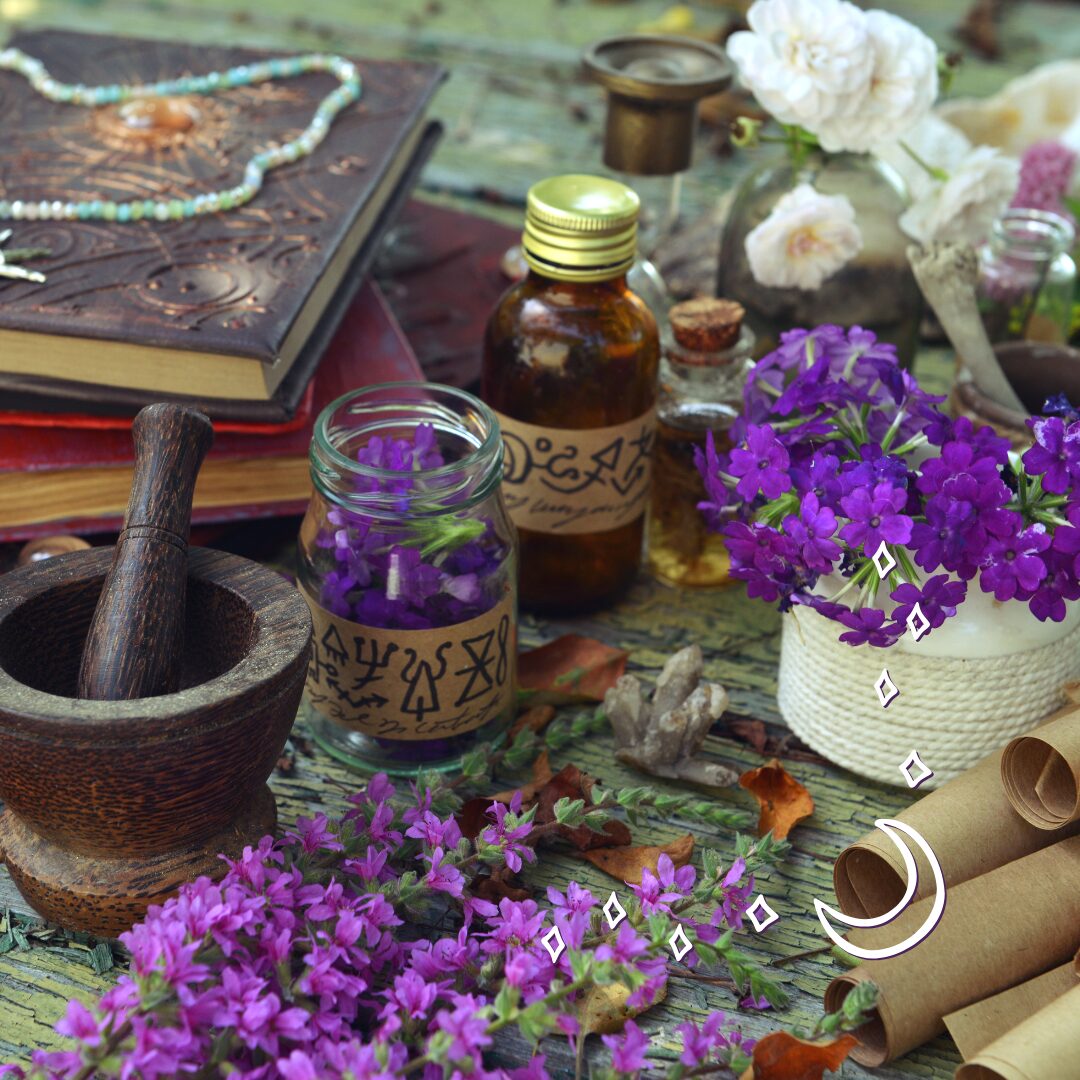
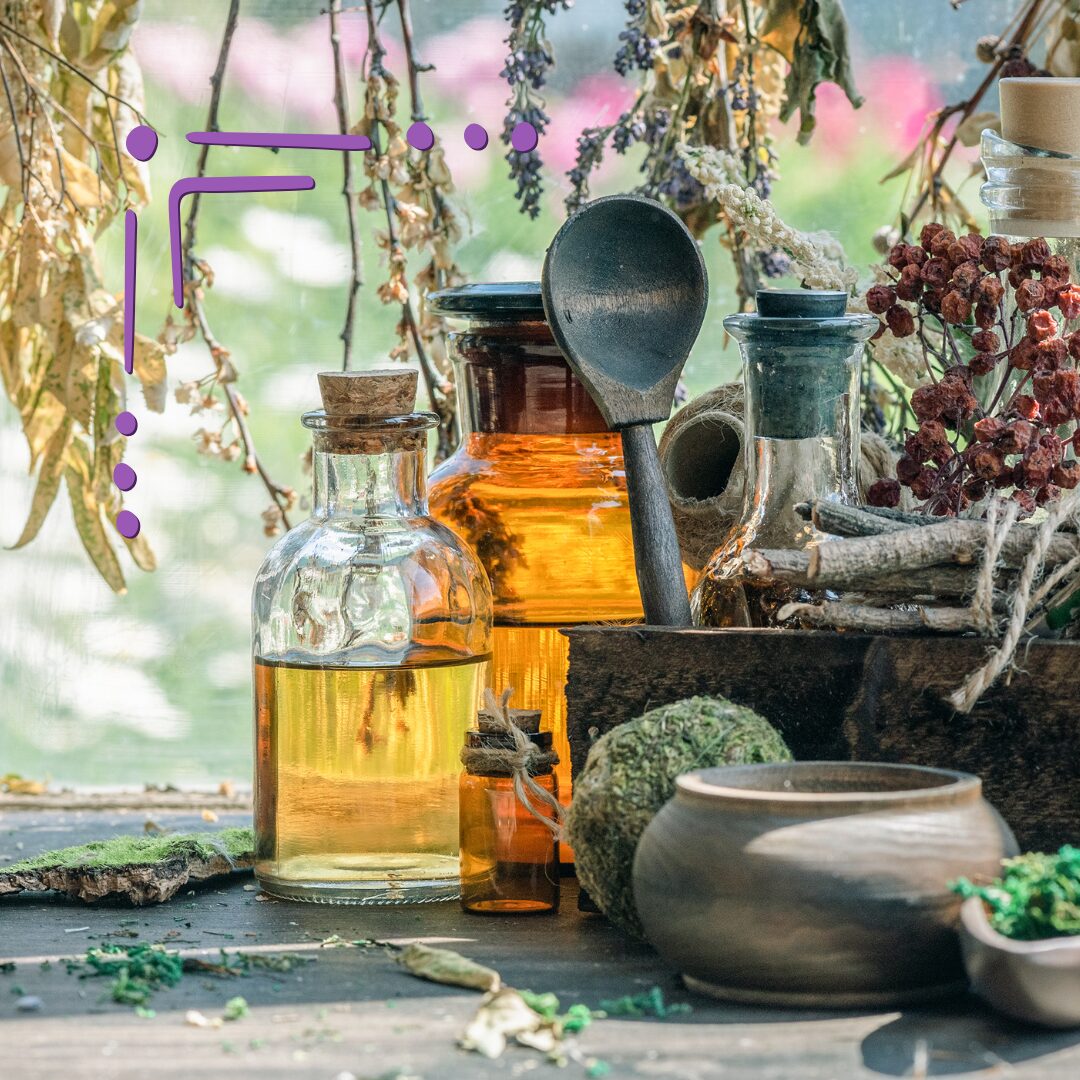
Ever notice how every witchy Instagram post makes it look like you need a whole boutique of candles, crystals, and carved statues just to get started? Spoiler: you don’t. An altar is just a space to focus your intention, and tools are objects to help you direct energy. That’s it. You can practice on a windowsill, a kitchen shelf, or even a shoebox under your bed. You can use kitchen utensils, found objects, or nothing at all. Magic comes from you, not the stuff you have on display.
I keep my own altar small: a corner of a shelf with a candle, a few stones, and a mug I use as a chalice. That’s enough. What matters is that it’s yours and it helps you focus. Altars can be permanent or temporary, visible or hidden, big or tiny. Even a plate on your counter with a candle counts as sacred space if you treat it that way.
Where you put it is flexible too. A dedicated shelf or table works if you want it out all the time. A box or basket that you set up when needed works if you have pets or kids. You can even use a spot outside – a garden stone, a balcony corner, or a favorite tree. I’ve also been known to keep a digital reference on my phone when I can’t get to my altar. The point is privacy, safety, and a little intention.
Once you’ve picked your space, think about what to put there. Start simple. You can include representations of the Goddess or God, or natural objects that feel meaningful: a shell, a stone, a candle. You can mark the four elements with small objects if you want: incense or a feather for air, a candle for fire, a bowl of water or shell for water, salt or a plant for earth. Add in your current tools or whatever spell ingredients you’re working with. That’s it. You don’t need a museum display.
Tools: Essential vs. Optional
Here’s the reality: you don’t need any special tools. They help focus your intention and make things feel ritualistic, but none of them are required. Here’s what’s traditional, what they’re for, and how you can use what’s around you.
Directs energy and casts circles, not for cutting food. Traditional athames are double-edged blades with a black handle. Alternatives? A butter knife, a wand, or even your finger. I use my hand.
A working blade, the boline is used to cut herbs or cords, to carve symbols into candles and other ritual uses. Traditional bolines are short, crescent blades with a white handle. Alternatives? Any small knife, or any pointer to carve candles.
A place to record your spells, notes, and observations. You can use a notebook, binder, or digital document. I started with a blank journal I used for years, then expanded to more.
Represent fire, focus, and atmosphere. Color matters if you want, but plain white works for almost everything. LED or tea lights work if needed.
Used for mixing, burning, or symbolic transformation. Cast iron is traditional, but any heat-safe pot, ceramic dish, or cooking pot works. My old Dutch oven works as my cauldron just fine.
Represents water and the feminine, or holds ritual drinks. Traditionally silver or glass. Alternatives: any cup or mug you designate. I have a simple mug I use all the time.
Represents air and cleansing. You can use whatever’s convenient — essential oils, fresh herbs, even opening a window. Grocery store rosemary is my go-to.
Represents earth and is a surface to charge or bless items. Traditionally a disk with a five-pointed star. Alternatives: draw one on paper, use a flat stone, or skip it entirely.
Focus for devotion. Candles, stones, shells, or images work, or nothing at all. I prefer a pair of candles, but it’s what resonates for you.
Used to direct energy, similar to an athame. Traditionally wood, sometimes matched to tree correspondences. Alternatives: a stick, a chopstick, or your finger. Some traditions say wand = air, others say fire. Use what feels right.
Altar Setup: Function Over Formula
I remember standing barefoot at my first altar in my living room one rainy morning, incense smoke curling toward the cracked kitchen window. I moved that river stone eight times. Rearranged the candle. Was north supposed to be earth? Was I even facing north, or just the direction that felt like it might be north? Outside, wet cedar branches dripped in the steady rain onto the railing, patient and unconcerned.
Tradition should be a compass, not a cage. The traditional setup puts earth in the north, air in the east, fire in the south, water in the west. You’ll see practitioners place tools accordingly: salt or soil for earth, feathers or incense for air, candles for fire, shells or water bowls for water. If these frameworks resonate, use them. Many practitioners find real power in those correspondences.
But your land may speak differently. If the ocean is east of you, or the mountains rise in the west, or your only sacred corner is a windowsill covered in houseplants and overdue mail, build from what’s real, not what’s standardized. The land beneath your feet matters more than the correspondence chart.
Start with what you have. Arrange what makes sense, and adjust what doesn’t work. Notice where light falls and where you breathe easiest. Try a layout, work with it, shift when or if it starts feeling like performance. My tools live where my hands fall naturally. Seasonal elements rotate through. This morning, rain’s coming—I can smell it—and I’m moving the water bowl to catch it from the window. Not textbook. Effective.
Household Alternatives
There’s no rule that says you have to buy fancy or expensive things for your magic; they simply need to be dedicated to ritual use.
You probably already have everything you need:
- Athame - Kitchen Kife
- Wand - Wood Spoon
- Chalice - Coffee Mug, Cup
- Pentacle - Plate, Cutting Board
- Cauldron - Cooking Pot
- Ritual Candles - Tea lights, Birthday candles
- Magical Herbs - Dried Herbs from Spice Rack
- Spell Container - Any Empty Jar
Cleansing and Charging
Cleanse your tools before first use and every so often after. You can rinse them under water, pass them through smoke, leave them in sunlight or moonlight, bury them in salt, or just breathe and visualize. To charge, hold the tool, focus on its purpose, and fill it with intention. Say it, think it, or just imagine it. Done.
Storage and Maintenance
Keep your tools in good condition. Store them together in a box, drawer, or shelf. If you need to be discreet, everything fits in a shoebox. Re-cleanse after heavy use or emotional spells. Replace what breaks or no longer serves. Remember, the tools help, but they aren’t the magic. You are.
My First Altar Setup Was A Mess (And That's Okay)
I spent three hours arranging my first altar based on Pinterest vibes and it lasted exactly one day before I had to redo everything.
The problems? I put candles in the back where I couldn’t reach them without knocking over my incense holder. My tarot deck didn’t fit anywhere because I’d filled every inch with crystals that looked good but I literally never used. And I’d followed the “earth in north, fire in south” thing without actually figuring out which direction was which in my room, so I was just… guessing?
Here’s what I learned: your altar needs to actually work for your space. If you can’t reach something, you won’t use it. If you’re climbing over your bed to light a candle, that’s a problem. And honestly? It’s okay to prioritize function over looking perfect.
My current setup is way simpler – tools I actually use within reach, my tarot deck has its own spot, and the aesthetic stuff frames everything instead of blocking it. It’s not as Instagram-perfect but I actually use it daily now.
Stay witchy 🌙🪄
Closing Thoughts
Start simple. One candle, one mug, and your attention are enough. Let your altar evolve as you do. You’ll find the objects and arrangements that actually work for you, not what looks pretty online. Show up, do the work, and let the space be yours.